Chemical-Based Sealants
Sealants span several distinct chemistries, each suited to different joint types, movement requirements, and environmental exposures. The right choice depends on the substrate, whether the joint needs to flex, and the conditions it will face in service.
Epoxy Sealants
Epoxy sealants comprise an epoxy polymer and a curing agent, such as polyamines, polyamides, or other hardeners, and are available in both one-component and two-component packages depending on the hardener and cure method. Once cured, epoxy forms a rigid, dense barrier with strong adhesion to metals, plastics, and ceramics, along with good resistance to chemicals, moisture, and temperature extremes. Because cured epoxy has very little flexibility, it's best suited to static joints and seams rather than joints that expand, contract, or vibrate in service. It can also become sensitive to UV radiation with prolonged direct sunlight exposure.
Silicone Sealants
Silicone sealants are polymer materials based on the structure of polysiloxane. Their main chain is composed of silicon-oxygen bonds (Si-O-Si), which have high bond energy, giving silicone sealants excellent heat resistance and electrical insulation. They remain highly flexible and chemically stable after cure, making them well suited to joints subject to movement, vibration, or thermal cycling. One-part RTV silicones are the most common form, while two-part RTV silicones and heat-curing silicones can offer higher strength and faster curing times.
Polyurethane (PU) Sealants
Polyurethane (PU) sealants derive their characteristics from the urethane chemical group present in the cured product. PUs exhibit a broad range of curing rates, processing behavior, and mechanical properties owing to the versatile nature of PU chemistry. They offer exceptional adhesion to substrates containing hydroxyl groups, such as wood, wood-derived materials, brickwork, concrete, certain plastics, and paints, while substrates like glass, aluminum, and alkaline surfaces may require a primer for optimal bonding. PU sealants remain paintable after cure, unlike most silicones, which makes them a common choice where a sealed joint also needs a painted finish.
Silyl-Modified Polymers (SMPs)
Silyl-modified polymers (SMPs) are chemically modified with silyl groups (Si-O-R), enhancing adhesion and providing good bonding strength, durability, and elasticity across a range of industries. SMP sealants are solvent- and isocyanate-free, without the need for cleaners or primers during preparation. Because they withstand a wide range of temperature and humidity conditions, SMPs are well suited to industries with high dynamic usage, such as EV battery manufacturing.
Looking for thread or retaining compounds? Anaerobic chemistries are also used for thread sealing, thread locking, and gasketing metal components, curing in the absence of oxygen when confined between two metal surfaces. Because their primary function is fastener retention rather than joint sealing, these products are covered in our dedicated Threadlockers category.
What Is the Difference Between an Adhesive and a Sealant?
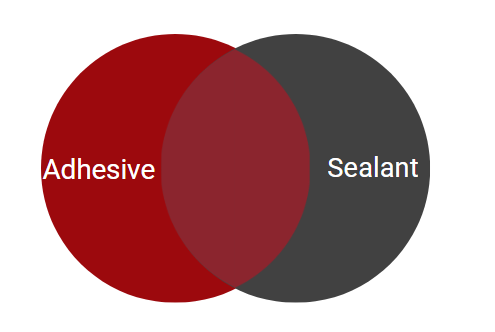
What They Have in Common
Adhesion
Both adhesives and sealants require proper adhesion to the substrates they are applied to in order to function effectively.
Durability
Both must maintain their bond strength and integrity over time, even when exposed to temperature fluctuations, weather, and chemical exposure.
Curing
Both are typically liquid when applied, allowing them to wet the surface and establish an initial bond, before undergoing a curing process to reach their final properties.
Where They Differ
| Feature |
Adhesives |
Sealants |
| Main Function |
Primarily used to bond materials together |
Primarily used to create a barrier between materials and prevent leakage or intrusion |
| Properties |
Typically high strength, flexibility, and durability; may also be conductive or insulating depending on the application |
Often more elastic or flexible; may be waterproof, weatherproof, or chemical-resistant |
| Applications |
Structural bonding, decorative applications, repairs |
Sealing gaps, cracks, joints, and seams; waterproofing surfaces; preventing corrosion |
| Typical Materials |
Epoxies, acrylics, cyanoacrylates, urethanes |
Silicones, caulk, polyurethane sealants, gasket materials |
| Curing Methods |
May require heat, UV light, or moisture to cure |
Often cure by exposure to air moisture or heat |
Understanding Sealant Performance Properties
A few properties are easy to confuse but describe genuinely different things. Understanding the distinction helps match a sealant to the actual demands of the joint.
Movement Capability vs. Elongation
Movement capability describes how much a sealed joint can expand and contract in service, and is measured under a defined cyclic test on an actual joint. Elongation is a different measurement taken from a tensile test on a lab specimen. A high elongation result doesn't by itself guarantee a sealant will perform well in a moving joint; the two properties should be checked separately.
Skin-Over Time vs. Full Cure
Skin-over, or tack-free time, is how long it takes for the surface of the sealant to form a dry skin. This is not the same as full cure. A joint may feel dry to the touch well before the sealant has developed its final strength, flexibility, or chemical resistance throughout the bead.
Non-Sag vs. Self-Leveling
Non-sag sealants hold their shape in vertical or overhead joints without slumping. Self-leveling sealants flow out to a smooth, flat surface and are formulated for horizontal joints, such as floor and pavement joints. The two grades are not interchangeable across joint orientations.
Adhesive vs. Cohesive Failure
If a sealed joint fails, it's useful to know how. Adhesive failure means the sealant separated from the substrate at the bond line. Cohesive failure means the sealant tore within itself. The failure mode often points to whether the issue was surface preparation, primer selection, or the sealant's own mechanical limits.
Applications in Automotive and Consumer Electronics
Automotive
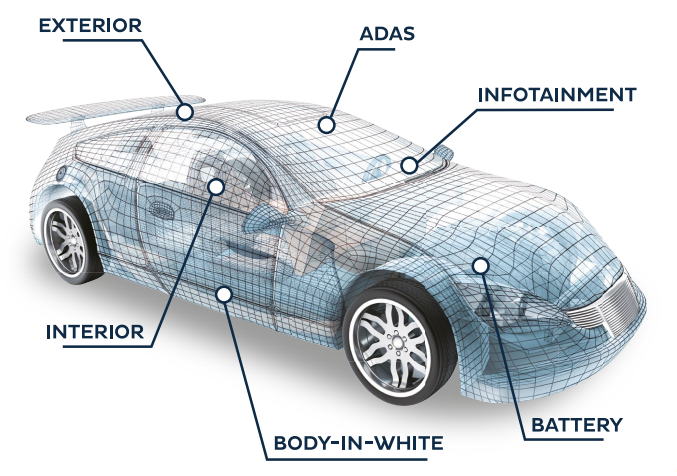
Sealants play a crucial role in the automotive industry, particularly in applications requiring a durable barrier against moisture, dust, and vibration. Common sealing applications include:
- Windshield and glazing seals
- Gasket sealing (engine blocks and cylinder heads)
- Body seam and panel joint sealing
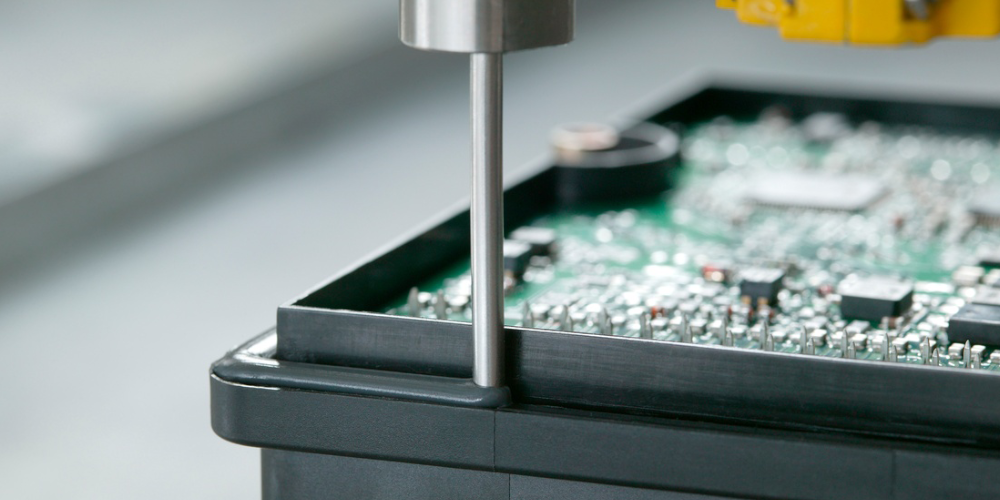
- Sensor housing sealing
- Lighting system seals
- Electrical connector and wiring seals
Consumer Electronics
Sealants help protect electronic consumer products from moisture, dust, and environmental exposure, supporting their reliability and durability. Key applications include:
- Smartphones (sealing the device housing against moisture and dust)
- Laptops and tablets (sealing the device enclosure)
- Wearable devices (sealing watches and fitness trackers for water resistance)
- Audio equipment (sealing speaker and amplifier enclosures)
- Gaming consoles and other accessories
Key Considerations for Selecting a Sealant
Joint Movement: Confirm whether the joint needs to expand, contract, or flex in service, and select a sealant with the appropriate elasticity and movement capability rather than a rigid chemistry.
Environmental Conditions: The sealant must be compatible with the operating environment, including temperature, humidity, vibration, and chemical exposure.
Mechanical Properties: The sealant should have the required strength, flexibility, and durability to withstand the stresses encountered in the application.
Electrical Properties: For electronic applications, the sealant must have appropriate electrical properties, such as conductivity or insulation.
Regulatory Compliance: The sealant should meet relevant industry standards and regulations, such as RoHS, REACH, and UL.
Presentations
Basics of Strong Bond: Surface Preparation for Adhesives & Sealants
June 2026
Overview on how surface preparation maximizes bonding and sealing performance and improves long-term durability.