Nanoproof as a PCB waterproofing treatment
Nanoproof is a cutting-edge surface treatment designed to protect printed circuit boards (PCBs) from damage caused by exposure to water and other liquids. Developed using advanced nanotechnology, Nanoproof forms a highly effective barrier on the surface of the PCB that repels water and other liquids, while also providing excellent electrical insulation. This unique treatment is suitable for use in a wide range of applications, including electronic devices, automotive systems, and industrial equipment.
One of the key benefits of Nanoproof is its high level of protection against water and other liquids. The nanoparticles used in the treatment form a dense network on the surface of the PCB, creating a barrier that effectively repels water and other liquids, while also providing excellent electrical insulation. This means that the circuit remains fully functional even in harsh, wet environments.
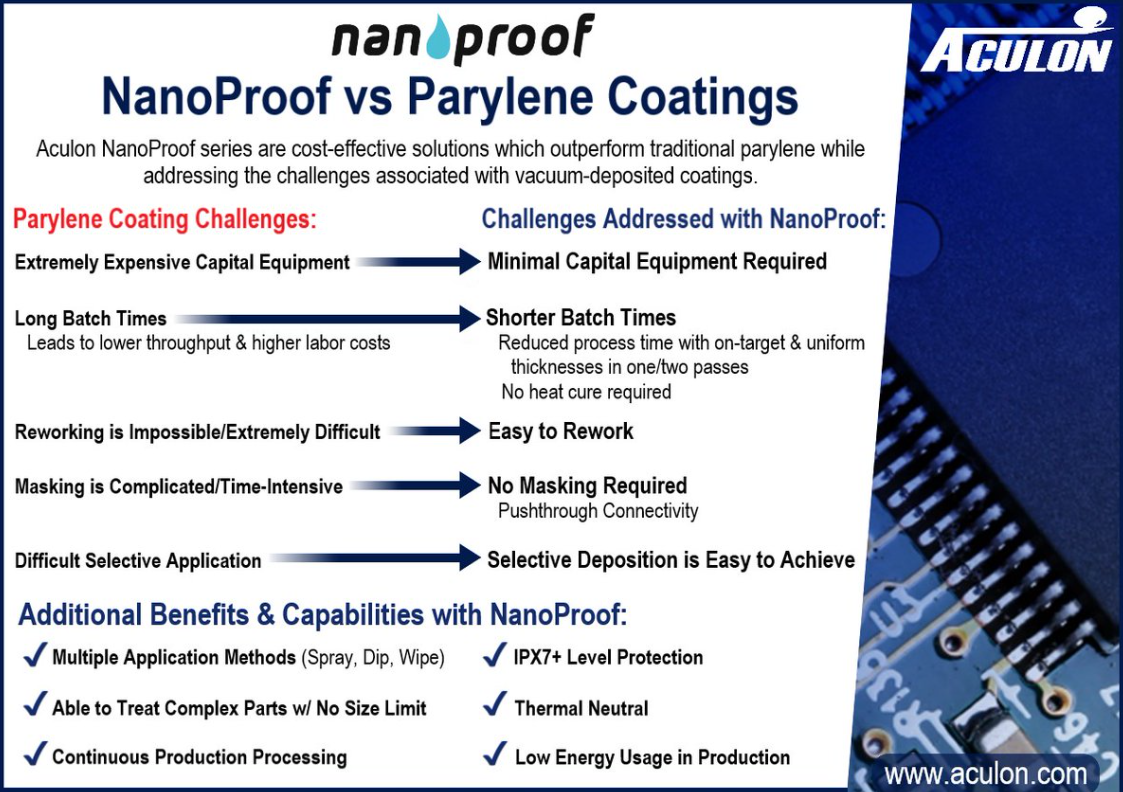
Nanoproof is also very easy to apply, it can be applied by a simple dip-coating process, making it ideal for high-volume production. It's also very thin, so it does not add much extra weight or thickness to the PCB. Additionally, the treatment is highly durable and can withstand exposure to harsh chemicals and other environmental hazards.
In summary, Nanoproof is a cutting-edge surface treatment that can protect printed circuit boards from damage caused by exposure to water and other liquids. Its advanced nanotechnology creates a highly effective barrier on the surface of the PCB that repels water and other liquids, while also providing excellent electrical insulation. It's suitable for high-volume production and can withstand harsh environmental conditions.
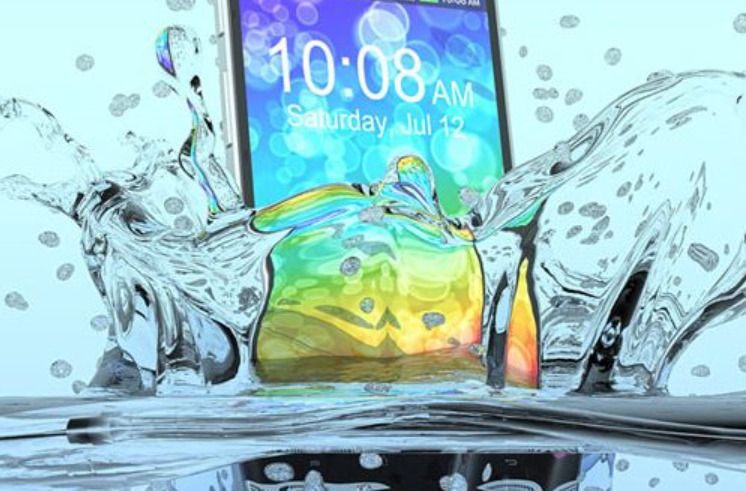
Printed Circuit Board (PCB) Waterproofing Treatments
Printed circuit boards (PCBs) are an essential component of many electronic devices, and they must be able to withstand exposure to water and other liquids. PCB waterproofing treatments are methods used to protect PCBs from damage caused by moisture, which can cause corrosion and degrade the performance of the circuit over time. In this blog, we will explore the different types of PCB waterproofing treatments available and their benefits.
Conformal Coating
One of the most popular methods of PCB waterproofing is the use of a conformal coating. A conformal coating is a thin layer of material that is applied to the surface of a PCB to protect it from moisture and other environmental hazards. Common materials used for conformal coating include silicone, acrylic, and polyurethane. These coatings provide a high level of protection against water and other liquids, while also providing excellent electrical insulation.
Potting
Another method of PCB waterproofing is the use of potting. Potting is the process of filling a sealed enclosure with a liquid or gel material that hardens to form a protective barrier around the PCB. This can provide a high level of protection against water and other liquids. Potting is often used in applications where the PCB will be exposed to extreme temperatures or other harsh environmental conditions.
Encapsulation
Encapsulation is another method of PCB waterproofing, it's the process of enclosing the PCB in a sealed enclosure, such as a plastic or metal box. This can protect the PCB from water and other liquids, as well as from dust, dirt, and other contaminants. Encapsulation is particularly useful in applications where the PCB will be exposed to harsh environments, such as outdoor or marine environments.
Sealing Grommets and Waterproof Connectors
Sealing grommets and waterproof connectors are also used to protect PCBs from water and other liquids. Sealing grommets are used to seal the openings in the PCB where wires or other components are inserted. This can prevent water or other liquids from entering the circuit. Waterproof connectors are specially designed connectors that have a waterproof seal around them.
There are several methods available to protect PCBs from damage caused by water and other liquids. Conformal coating, potting, encapsulation, sealing grommets and waterproof connectors are a few examples of PCB waterproofing treatments that can protect the PCBs from short circuits and other damage caused by moisture. The choice of treatment will depend on the specific requirements of the application, such as the level of protection required, the environment in which the PCB will be used, and the cost of the treatment.
Presentations
PCB Waterproofing Treatments
This presentation introduces Aculon Performance Surface Treatments for waterproofing printed circuit boards (PCBs). It explains how ultra-thin hydrophobic and oleophobic coatings protect electronic assemblies from moisture, humidity, corrosion, and environmental contaminants while maintaining electrical performance, supporting miniaturized designs, and enhancing long-term reliability without significantly altering component dimensions.


