Conformal coatings are formulated with a specific viscosity optimized for certain application methods. However, environmental conditions, coating thickness requirements, equipment setups, or storage time can make the coating too thick for proper use. This is where thinners come in.
Why Thinners Are Used
- Conformal coating thinners allow you to:
- Reduce viscosity for spray, dip, or selective-coating equipment
- Improve leveling and flow-out to avoid bubbles, orange peel, and streaks
- Control film thickness for precise technical requirements
- Extend pot life during long production runs
- Clean tools, lines, and equipment when compatible with the coating chemistry
- Restore aged coatings that have partially evaporated or become too thick
Important thinners properties per conformal coating chemistry
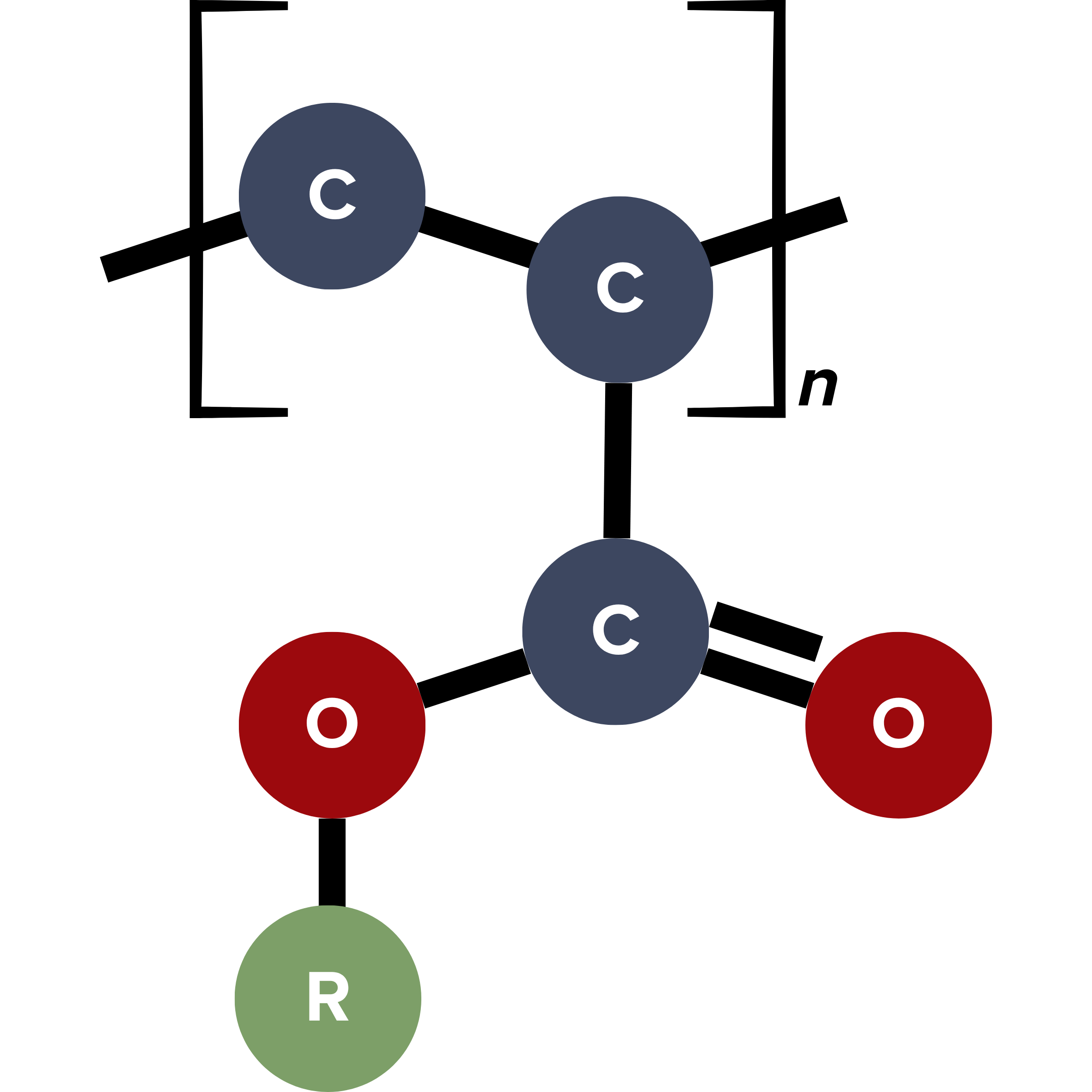
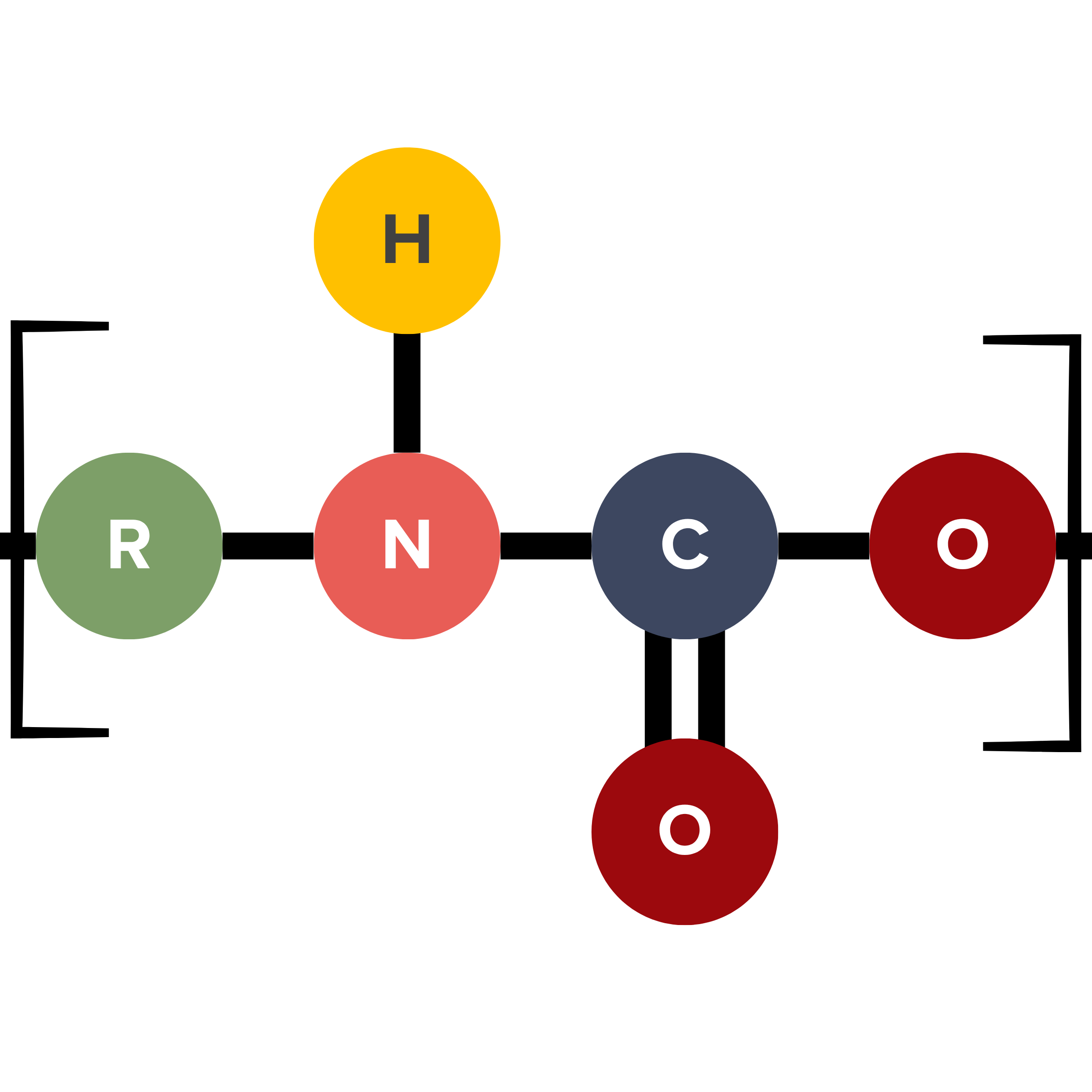
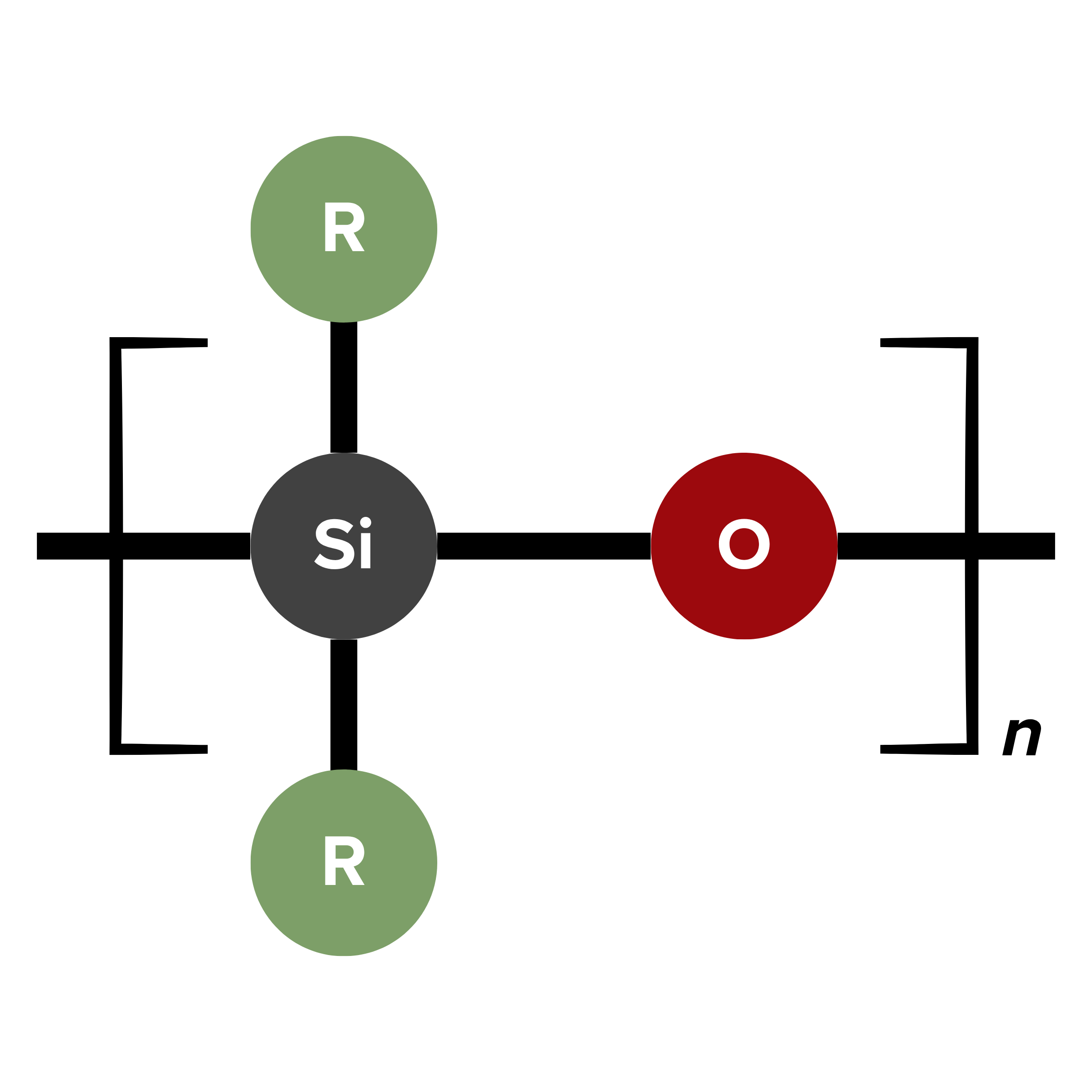
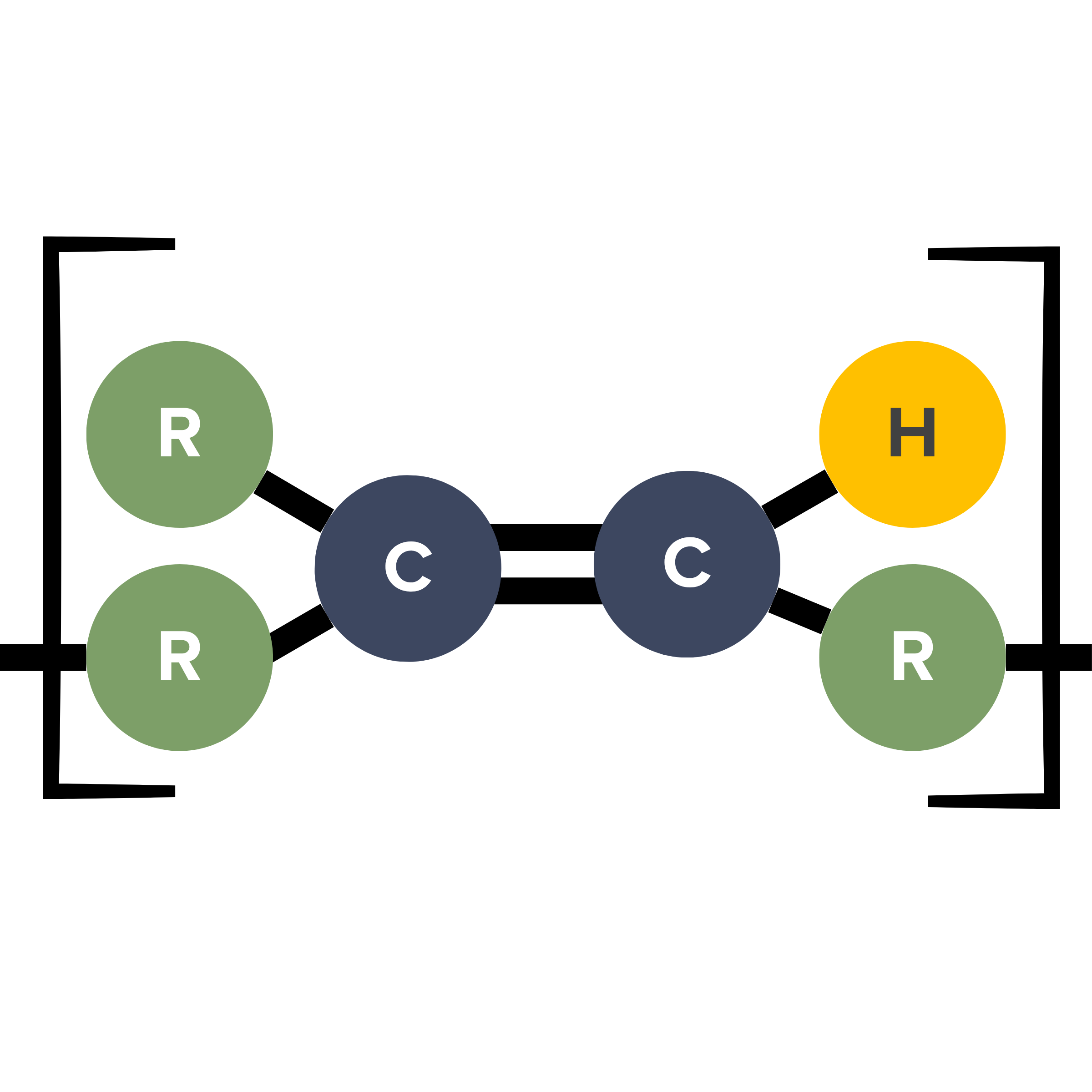
Different coating conformal coating chemistries require different thinner properties. For different
Acrylic
- Fast, clean evaporation rate
- High solvency strength for acrylic resins
Urethane
- Controlled/medium evaporation rate
- Isocyanate-safe formulation
Silicone
- Slow to moderate evaporation rate
- Low polarity & compatibility with silicone oils/resins
Rubber
- Strong solvency for elastomeric polymers
- Plasticizer-compatible formulation
How Thinners Affect Application
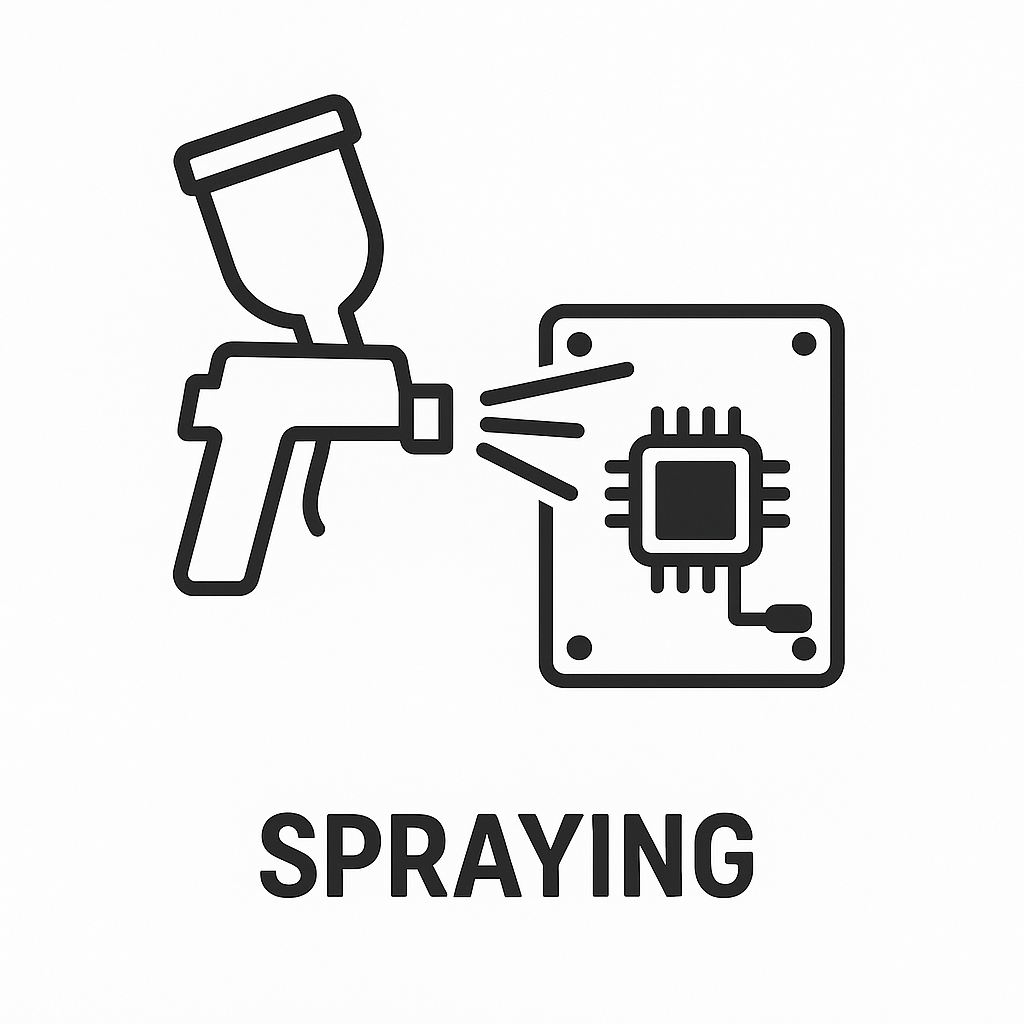
- Achieve consistent atomization
- Prevent dry spray and overspray roughness
- Improve edge wetting on densely populated boards
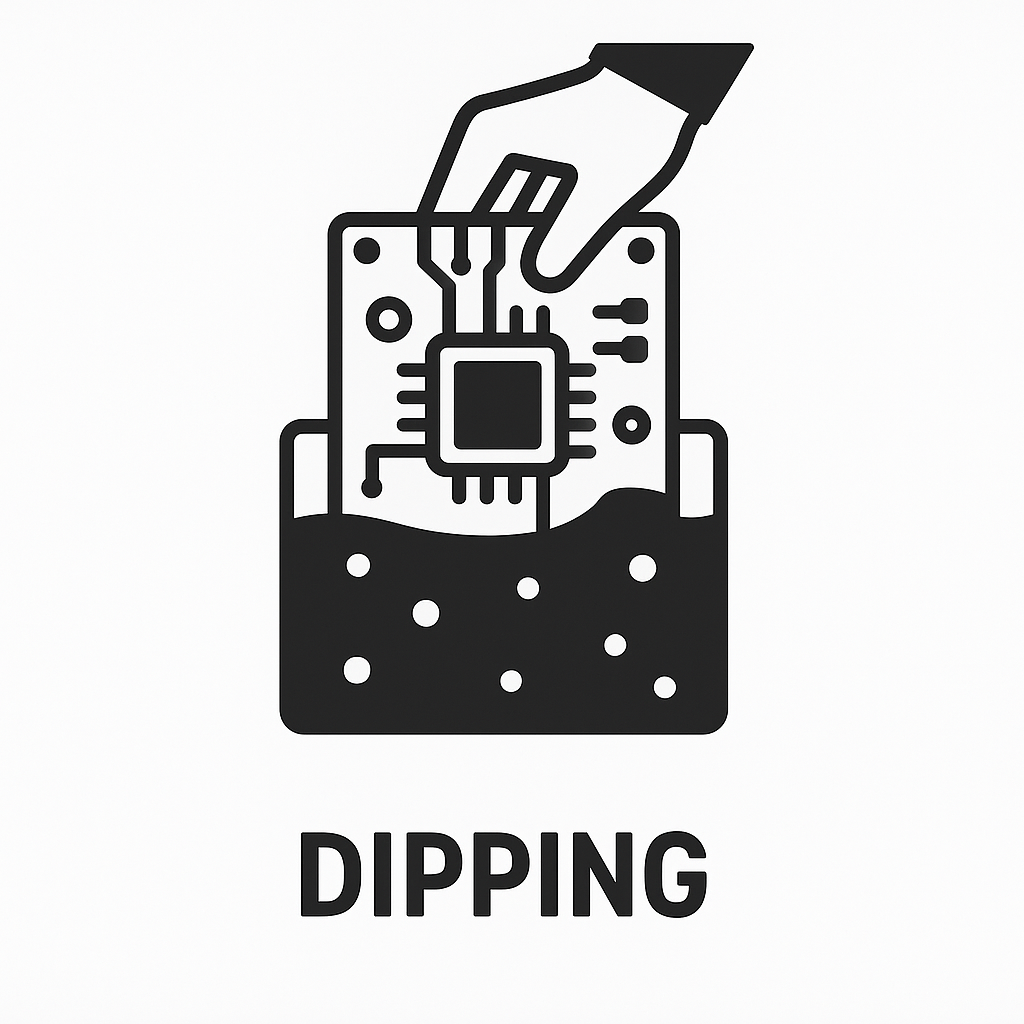
- Maintain consistent withdrawal viscosity
- Reduce runs or dripping
- Ensure uniform coating thickness
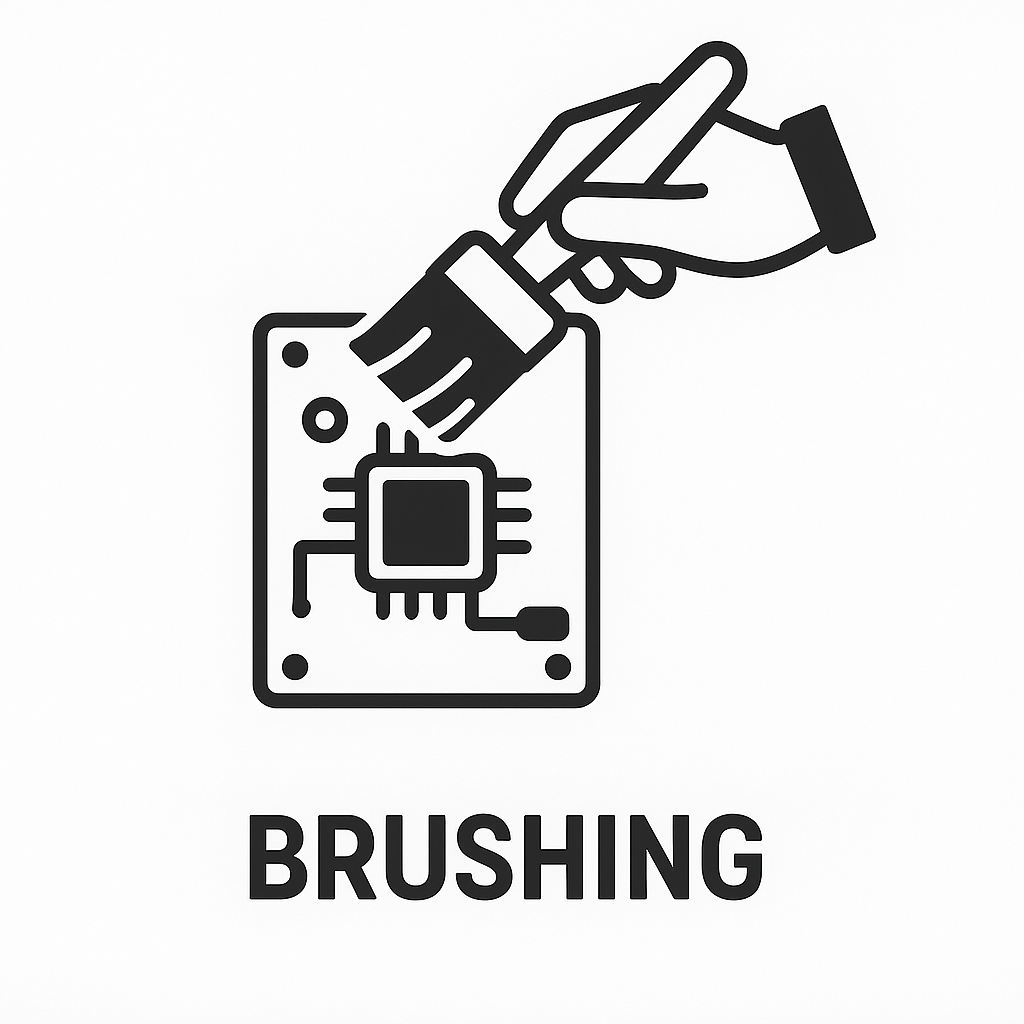
- Improve flow and minimize brush marks
- Adjust open time for larger boards or rework
Equipment Cleaning vs. Viscosity Adjustment
Some thinners serve dual purposes—both thinning and equipment cleaning. Others are cleaning-only solvents designed to remove uncured coating residue from spray guns, pumps, or lines.
Always check labeling to avoid accidentally introducing contaminants into a production line.