What is the Dicing Process?
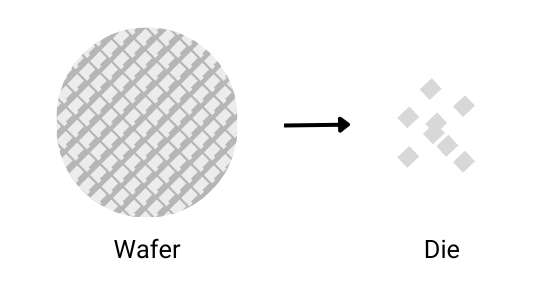
In Semiconductor manufacturing, one of the most critical steps is the dicing of the wafer. During the dicing process, a high-speed saw (or laser) cuts through the wafer, cutting it into smaller pieces called dies.
Why are Dicing Tapes Required?
Dicing tapes are specialized tapes designed for use during the above process. They are thin, flexible, and have a strong adhesion layer. The tape's main purpose is to support the wafer. By providing a supportive backbone, the tape allows for cleaner cuts. It holds the wafer securely, which means the delicate wafer won't break during the cutting process. Another important advantage of using dicing tapes is that the tape is designed to be removed easily, allowing the individual dies to remain intact and free of any residue.
How are Dicing Tapes used in the Dicing Process?
The wafer is first cleaned from any dust or particles, then placed on the sticky side of the dicing tape. Any excess around the wafer is cut off to have a seamless edge.
What are the Advantages of Dicing Tapes?
Some advantages of using tapes in the dicing process include:
- Thermal stability - the high-speed cutting can generate heat, which means the tape must withstand high temperatures.
- UV Removable - the tapes can be easily removed by applying UV light to the tape
- Strong adhesion - the strong adhesion of the dicing tape provides security during the cutting process by keeping the wafer in place.
.png)
Figure 1. Viscosity Diagram for Caplinq Dicing Tapes
What is UV Removable Dicing Tape?
Some Dicing tapes have UV Removable technology. When UV Light is applied, the adhesive becomes less tacky and allows for easy removal. This works because of the adhesive. The adhesive used is sensitive to UV light, and when exposed to it it chemically alters to lose its bonding strength. One of the most important qualities of this technology is that no residue is leftover on the substrate. This makes it ideal for wafers and can be used on other sensitive substrates such as optical glass.
What is the Backgrinding Process?
The backgrinding process is another critical process in semiconductor manufacturing. Before the wafer is cut into dies, the thickness needs to be correct. Since wafers are usually initially processed thicker than required, the backgrinding process is used to grind it down. In this process, the back part of the wafer is ground using a highly abrasive material, often made of diamond. This is usually a grinding wheel and has different abrasive levels.
How are Backgrinding Tapes used in the Backgrinding Process?
During the backgrinding process, tape is used the secure the wafer during grinding. This prevents movement during the process, which will allow the wafer to remain secure and not move. Another advantage of using tape during the backgrinding process is protecting the components of the delicate front side of the wafer. The front side of the wafer contains the active layers which require protection. The tape is applied to the front side, and then the wafer is applied to a holder before the grinding process begins. Once the grinding of the wafer is complete, the tape is removed from the wafer, and the wafer is sent over for the next processing steps, which include dicing. The tape must be able to peel off easily as to not damage the wafer. Another requirement is that the tape must not leave any residue, which will interfere with subsequent steps if left on.
What's the Difference between a Dicing Tape and a Backgrinding Tape?
The main difference between the two tapes is the application and placement. A dicing tape is placed on the backside of the wafer, while the backgrinding tape is placed on the front of the wafer.
What are the Key Features of Backgrinding Tapes?
Some advantages of backgrinding tapes include:
- High adherence - the strong adhesion of the tape helps to keep the wafer secure, and also prevents soaking (prevents contaminants from adhering to the front side of the wafer where the tape is placed).
- Heat resistance - like dicing tapes, grinding during the backgrinding process can generate heat. The tape must be able to withstand high temperatures
- UV removable - backgrinding tapes can easily be removed using UV light, leaving the wafer clean without adhesive residue.
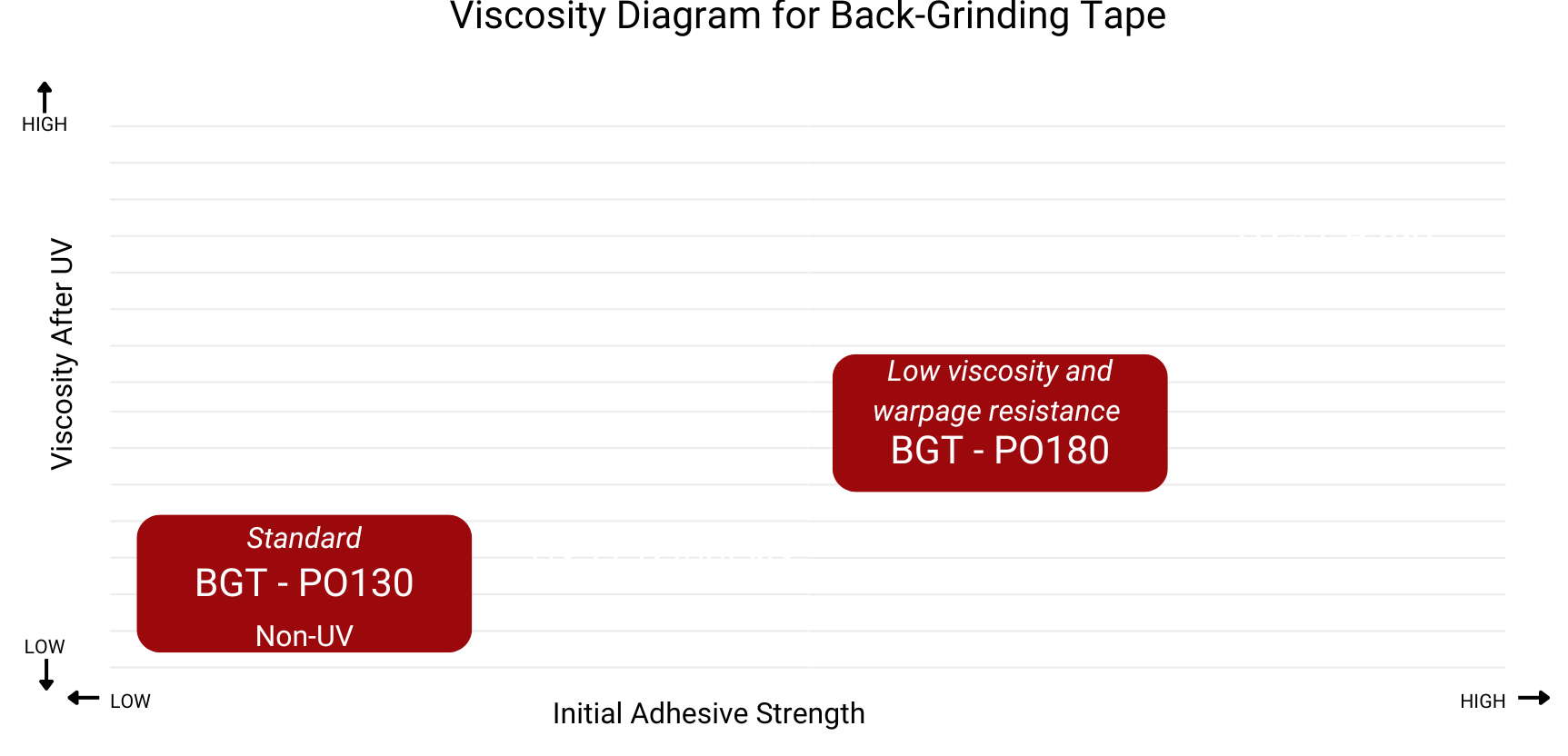
Figure 2. Viscosity Diagram for Caplinq Backgrinding Tapes
Presentations
Other Specialty Tapes and Films Product Catalog
This presentation showcases a portfolio of specialty tapes and films designed for electronics, industrial, automotive, and advanced manufacturing applications. It highlights product technologies, performance characteristics, and application areas, providing guidance on selecting pressure-sensitive tapes, bonding films, insulating materials, and protective films to meet a wide range of assembly and manufacturing requirements.


.png)
.png)


