Guiding Principles for Solder Sphere Selection
The selection of solder sphere size is a critical factor in the design and manufacturing of electronic assemblies. The ideal solder spheres size ensures optimal electrical connectivity, mechanical reliability, and thermal performance. Here are some key guiding principles:
1. Solder Alloy Composition:
When selecting solder spheres, several key factors must be considered. Firstly, the solder alloy composition is crucial. The melting point should be compatible with the reflow soldering process and the desired temperature profile. The alloy should also possess adequate strength and ductility to withstand mechanical stress during assembly and operation. Good thermal conductivity is essential for efficient heat dissipation, especially in high-power applications. Lastly, the solder alloy should exhibit good reliability, including resistance to thermal cycling, vibration, and corrosion.
2. Solder Spheres Size and Pitch:
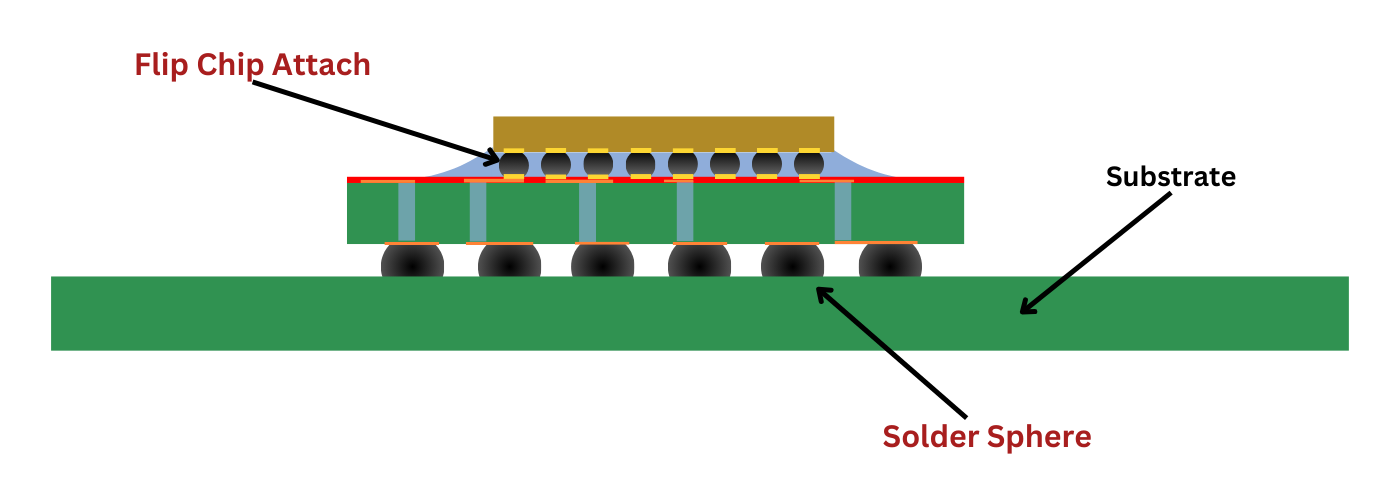
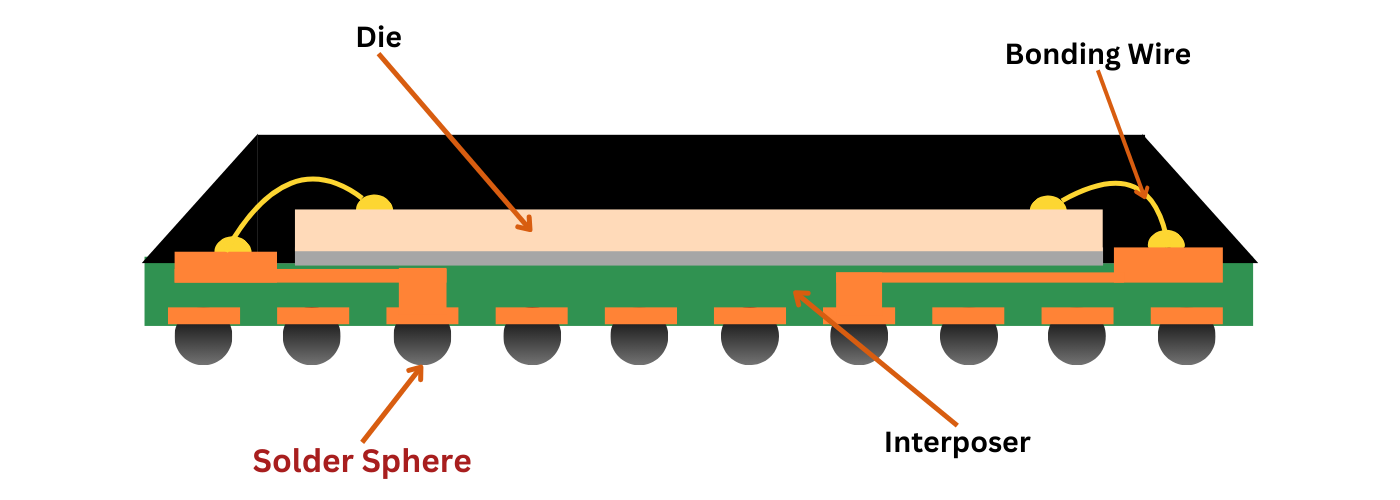
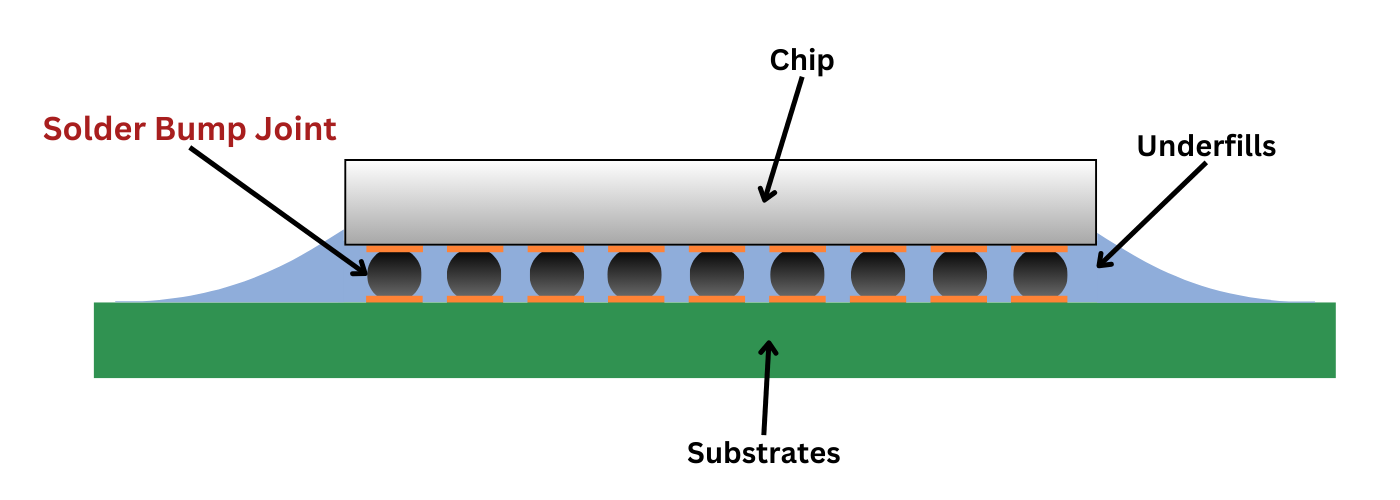
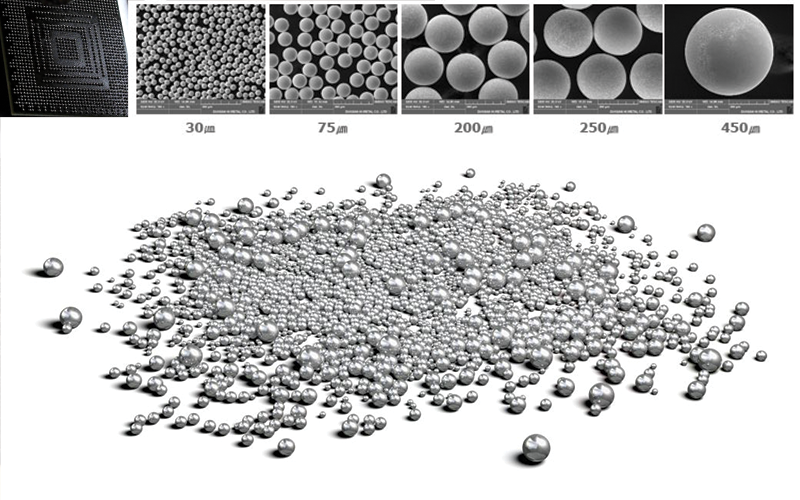
The size and pitch of the solder spheres should be compatible with the package design, including the die size, I/O count, and pitch of the land pattern. The solder sphere size and pitch should be chosen to achieve the desired interconnect density. Additionally, the solder spheres size and pitch can influence the thermal performance of the package. Smaller solder spheres can provide higher interconnect density but may compromise thermal performance.
3. Solder Spheres Placement Accuracy:
Precise placement of the solder spheres is critical to ensure reliable electrical connections. The solder spheres should be coplanar to avoid excessive stress during reflow soldering. Solder spheres coplanarity refers to the uniformity of the solder spheres heights relative to a reference plane, typically the seating plane of the package. Coplanarity inspection requires 3-D inspection techniques that use either a laser or interferometry to measure the geometries of the BGA and the solder spheres.
4. Solder spheres Surface Finish:
The solder spheres surface should be free of excessive oxidation to ensure good solderability. The solder spheres should also be free of contaminants that could adversely affect the soldering process.
5. Thermal Management
The size of solder spheres is crucial for both high-power and low-power devices. For high-power devices, larger solder spheres are preferred as they can dissipate heat more efficiently, reducing the risk of thermal stress and improving reliability. In contrast, smaller solder spheres may be sufficient for lower power applications, as they can still provide adequate thermal performance without compromising on cost or space.
6. Mechanical Reliability:
The size of solder spheres also plays a role in the mechanical reliability of the assembly. Larger solder spheres can provide better mechanical strength and resistance to vibration and shock. However, in fine-pitch applications where high density is required, smaller solder spheres may be necessary. In such cases, careful design and assembly are crucial to ensure the reliability of the solder joints.
7. Manufacturing Process Capabilities:
The stencil design and printing process must be capable of accurately dispensing solder paste with the desired sphere size. The size of the solder sphere is directly related to the amount of solder paste required. Smaller solder spheres require less solder paste, while larger solder spheres require more. Therefore, the stencil design must be optimized to accommodate the specific size of the solder spheres being used. Additionally, the reflow profile must be optimized to ensure proper melting, wetting, and solidification of the solder spheres.
Key Types of Solder Ball Placement Machines:
1. Dispensing-Type Machines:
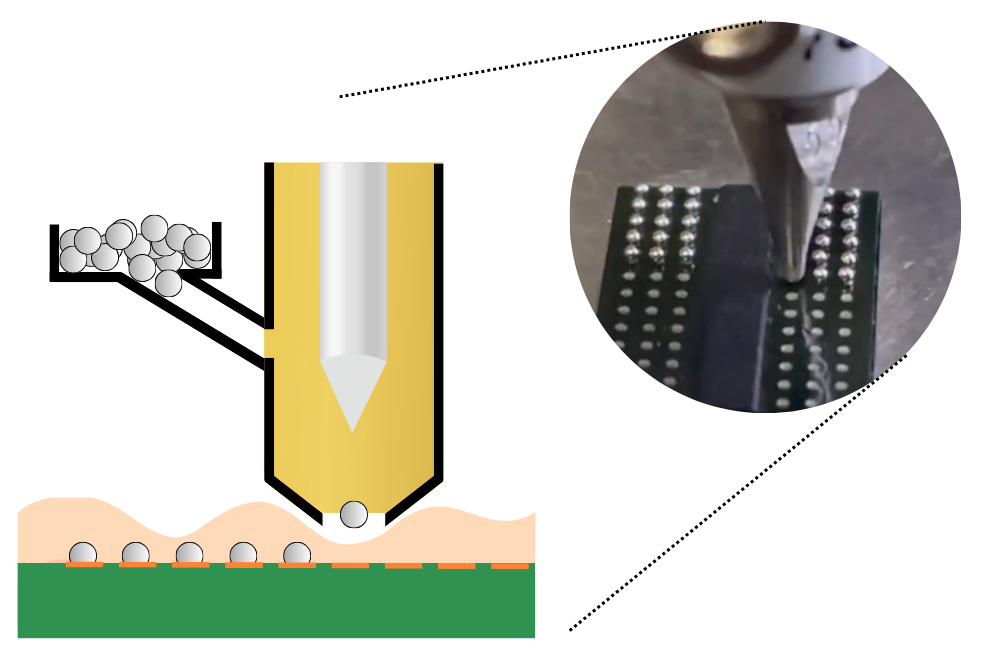
Dispensing-type machines utilize a precise system to place individual solder spheresonto a substrate. While this method offers high accuracy and flexibility for various ball sizes and patterns, it suffers from lower throughput compared to other techniques. Laser solder ball jetting technology is an alternative approach that addresses these limitations. This method employs a laser to melt solder paste, which is then ejected in precise droplets onto the substrate. By eliminating the need for mechanical dispensing, laser jetting enables higher throughput and finer control over solder spheres placement.
2. Stencil-based Machines:
Stencil-based solder spheres dispensing machines utilize a stencil with apertures to define the placement pattern of solder spheres. Solder paste containing solder spheres is dispensed through the stencil onto the substrate, enabling high-throughput and good accuracy for large-scale production. However, this method is less flexible for custom patterns and smaller ball sizes.

3. Wafer-Level Ball Placement Machines:
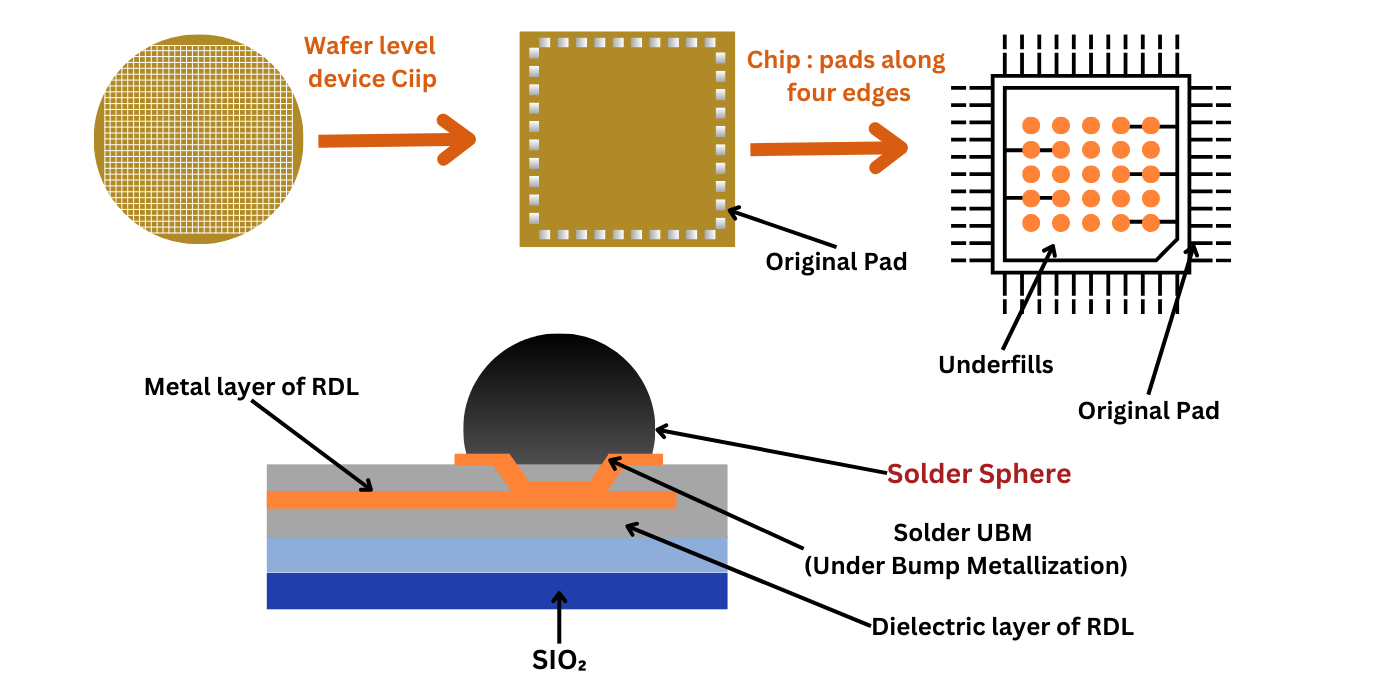
Wafer-level ball placement machines are specifically designed for placing solder spheres on wafer-level packages. These machines offer high precision and high throughput for wafer-level manufacturing. However, they require specialized equipment for wafer handling and alignment, limiting their flexibility and increasing the cost of operation.