Conformal Coatings
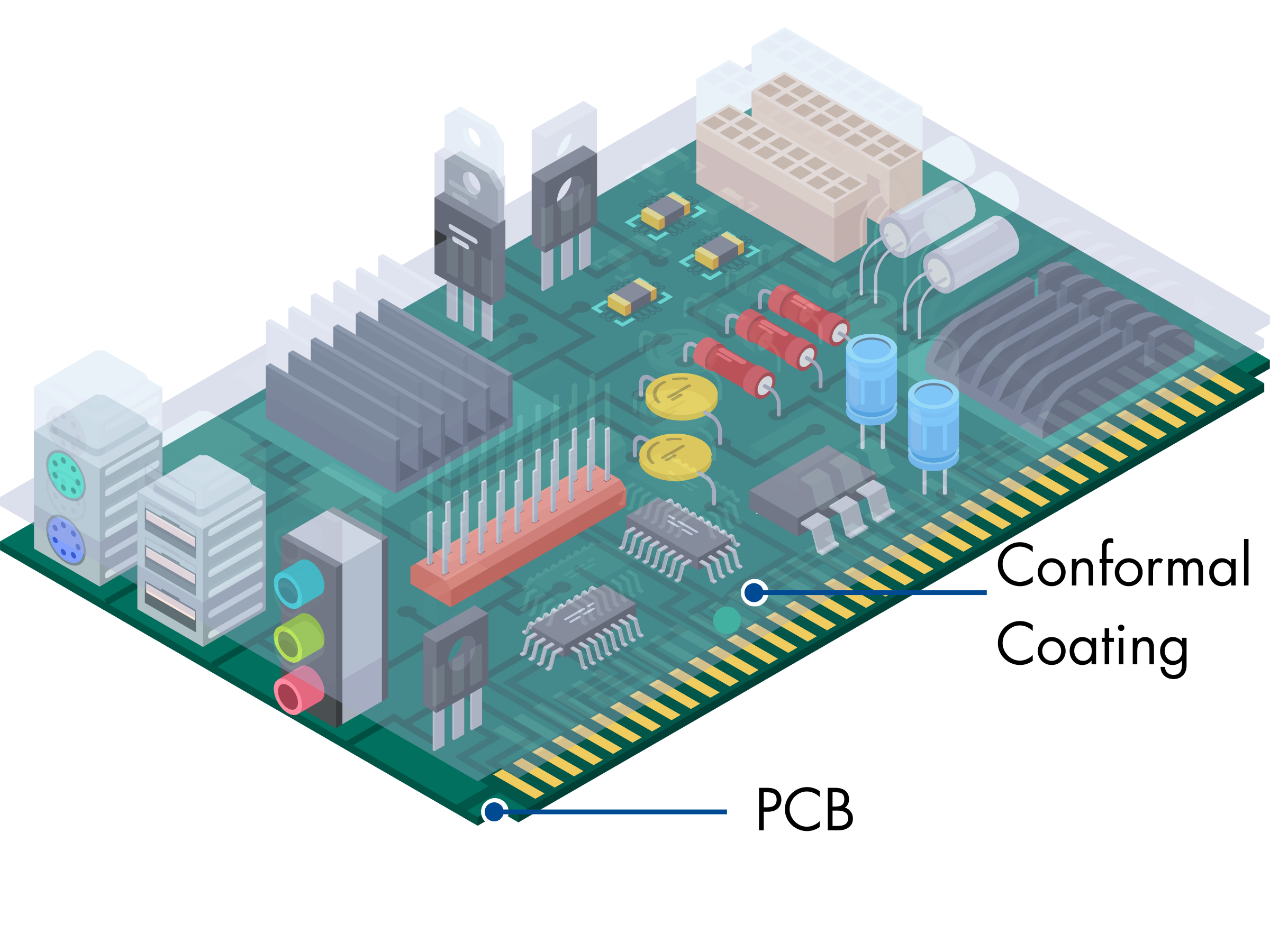
Thin polymeric films applied to electronic circuits and components to protect them from environmental conditions, such as:
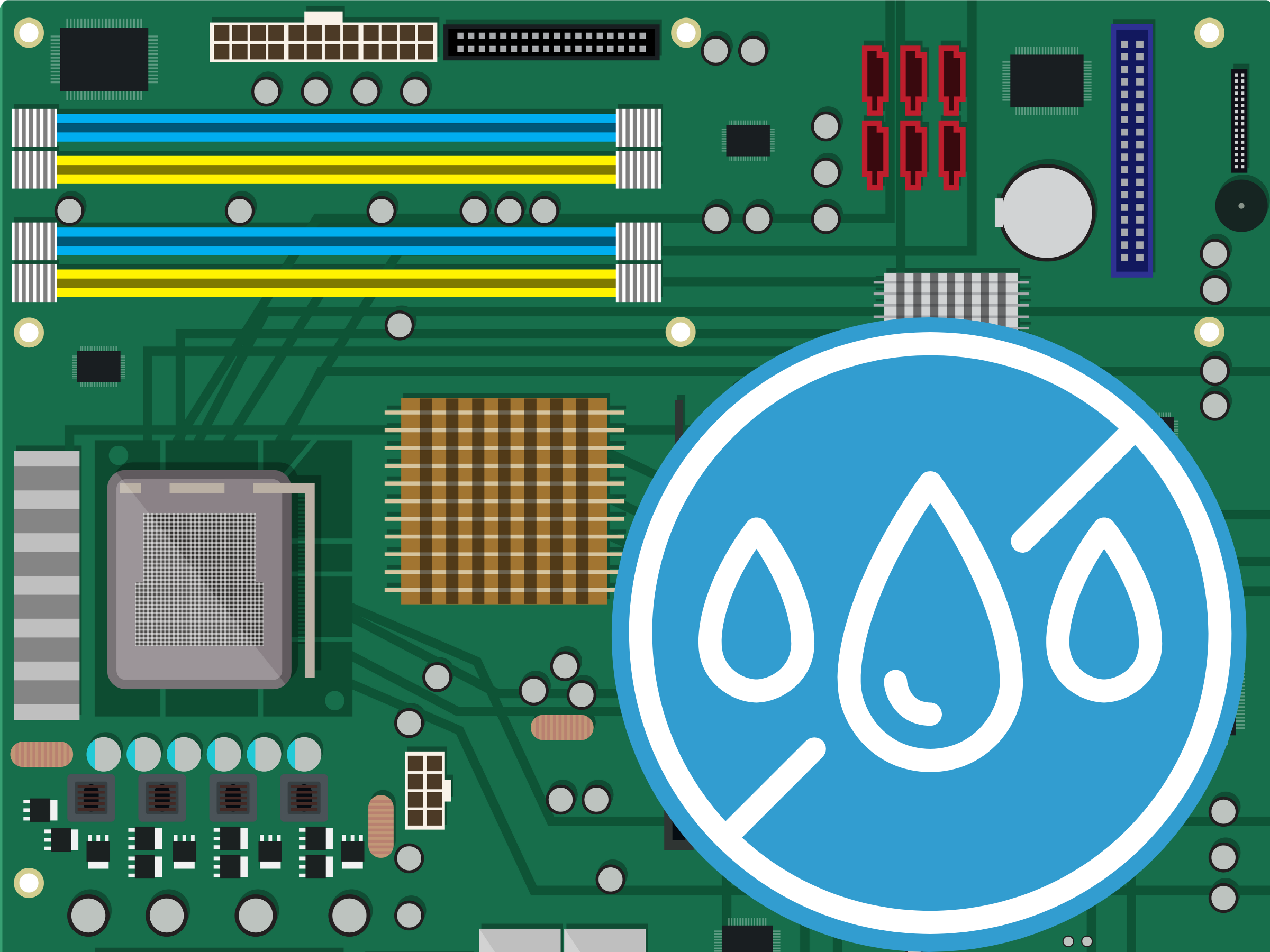
- Moisture and humidity
- Dust and chemicals
- Corrosive atmospheres (e.g., salt spray)
- Temperature extremes
They “conform” to the shape of the board and its components — hence the name — forming a protective barrier without affecting the function of the electronics.
Moisture barrier for corrosion and short-circuit prevention
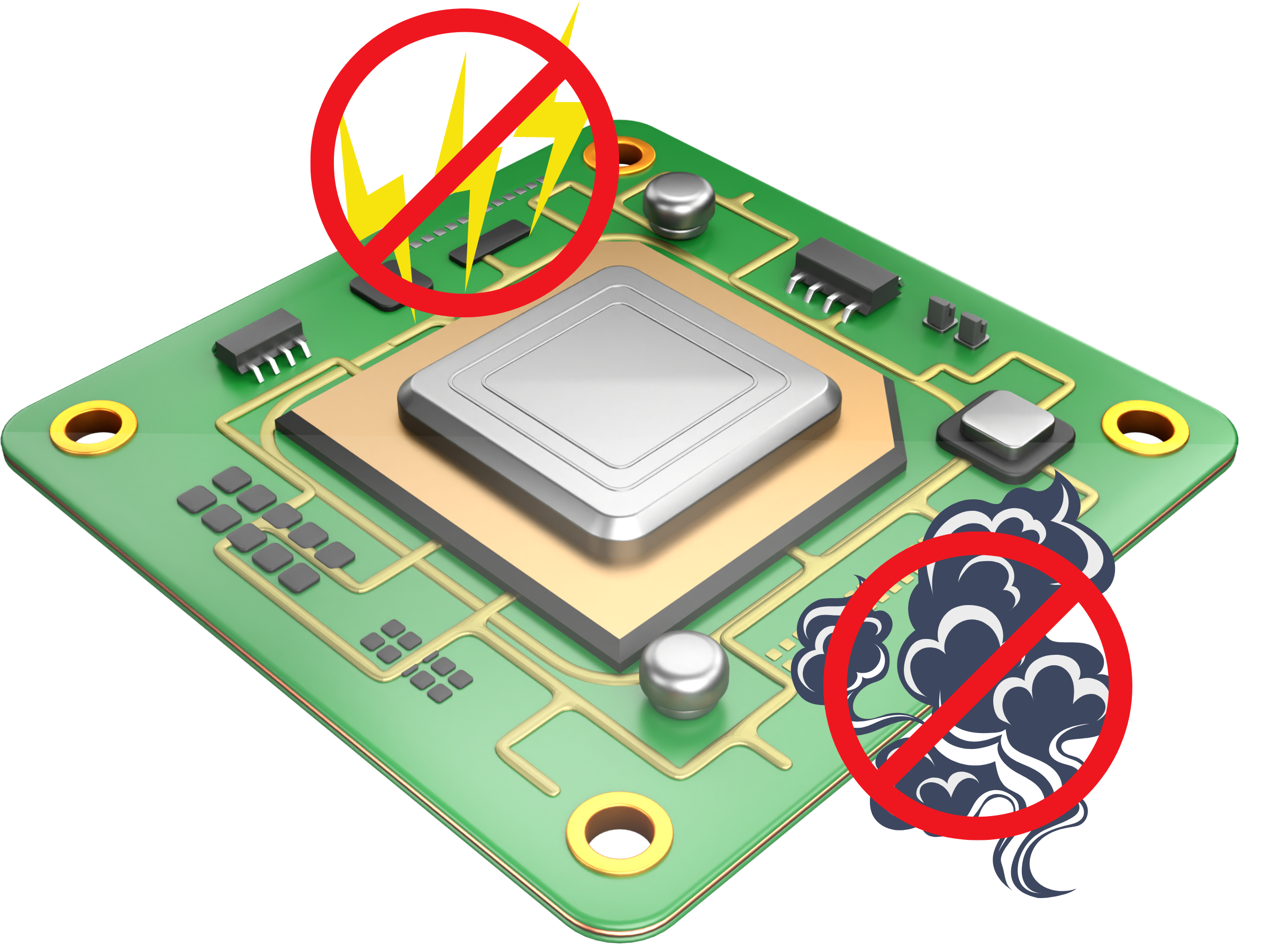
Electrical insulation and chemical shielding
Full coverage across complex and irregular geometries
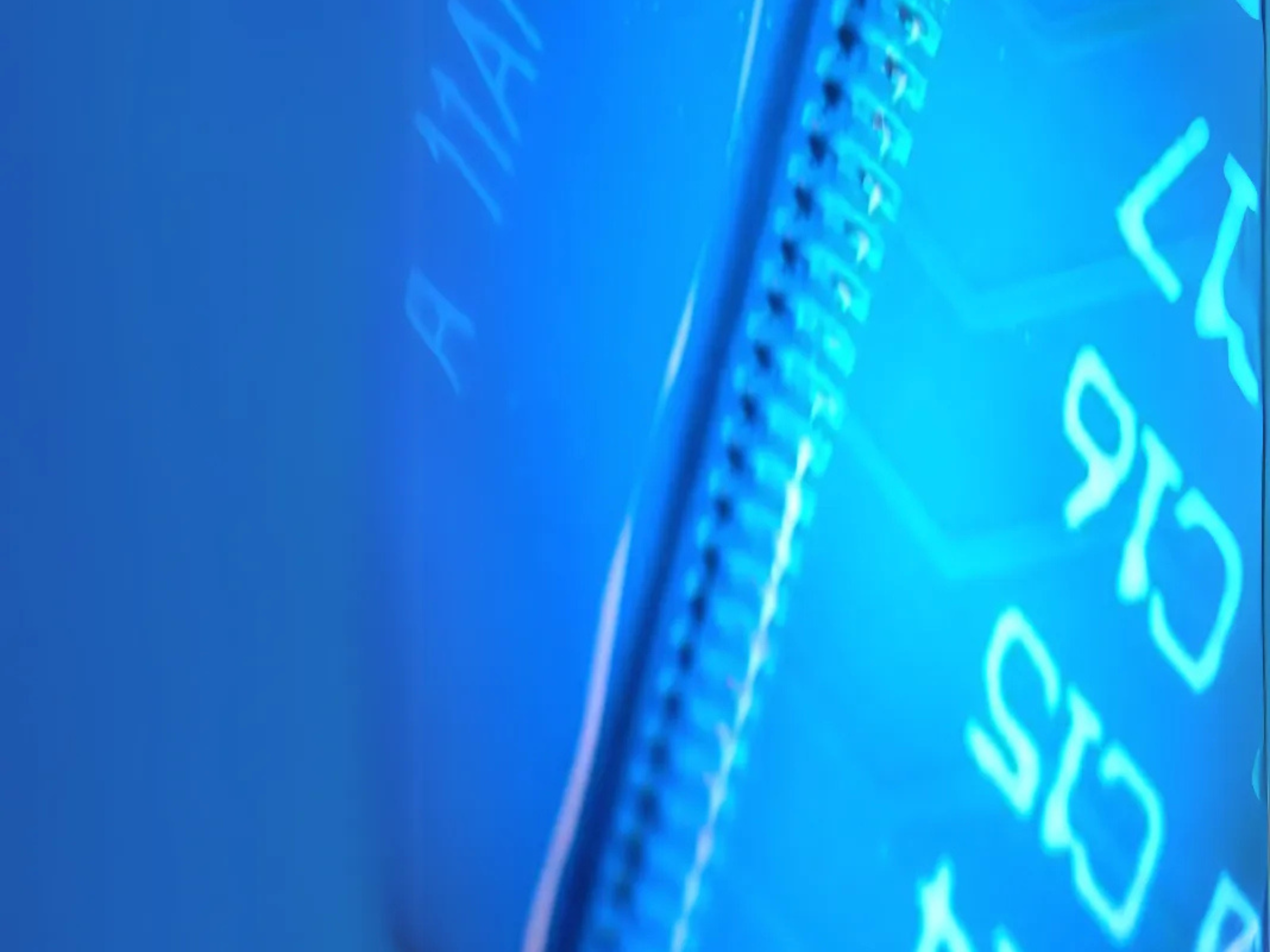
UV-traceable for easy inspection and defect detection
Why is conformal coating used?
Conformal coatings are highly recommended to use in PCBs for a multitude of reasons, including the following:
- Circuit size reduction & high component densities
- Keeps debris away from sensitive components
- Extended warranties
- Improvement in reliability
- Increased customer satisfaction
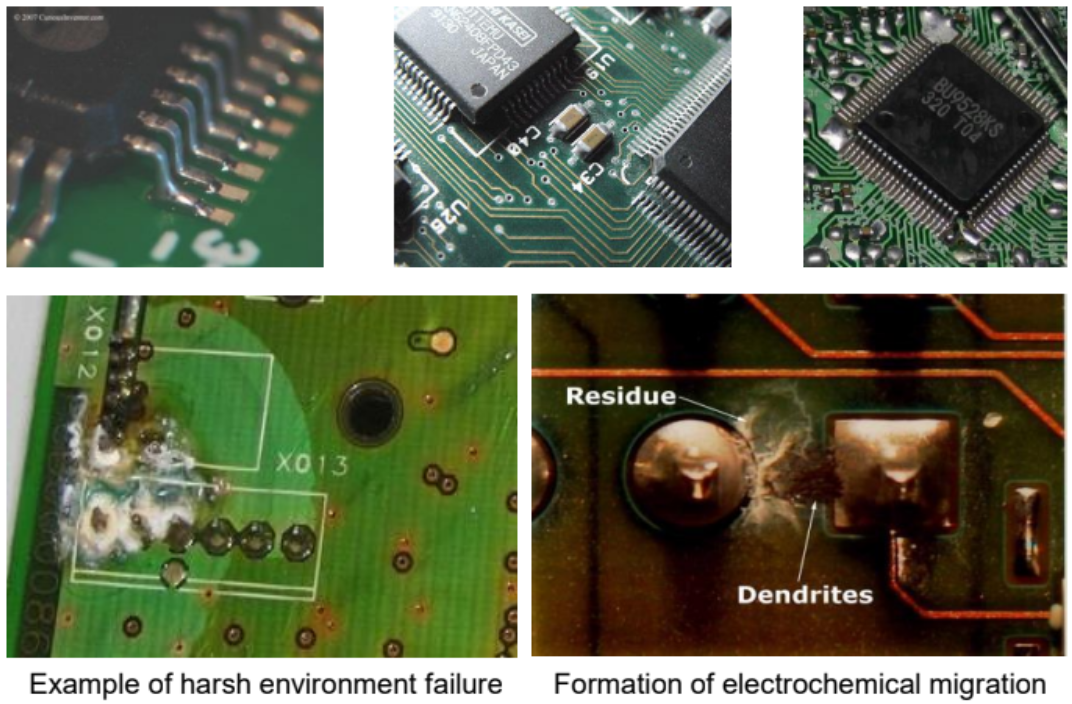
- Protection from harsh environements
- Protection against electrochemical migration (i.e., formation of dendrites between 2 components tracks as a result of resence of an electrolyte such as water)
Protecting Electronics Across Industries
Conformal coatings are essential in industries where electronic reliability is critical under environmental stress. From automotive to aerospace, consumer tech to medical equipment, these coatings form a thin, invisible shield that protects sensitive circuitry from moisture, dust, chemicals, and thermal extremes, enhancing performance, safety, and service life.
Consumer Electronics
Smartphones, wearables, home devices
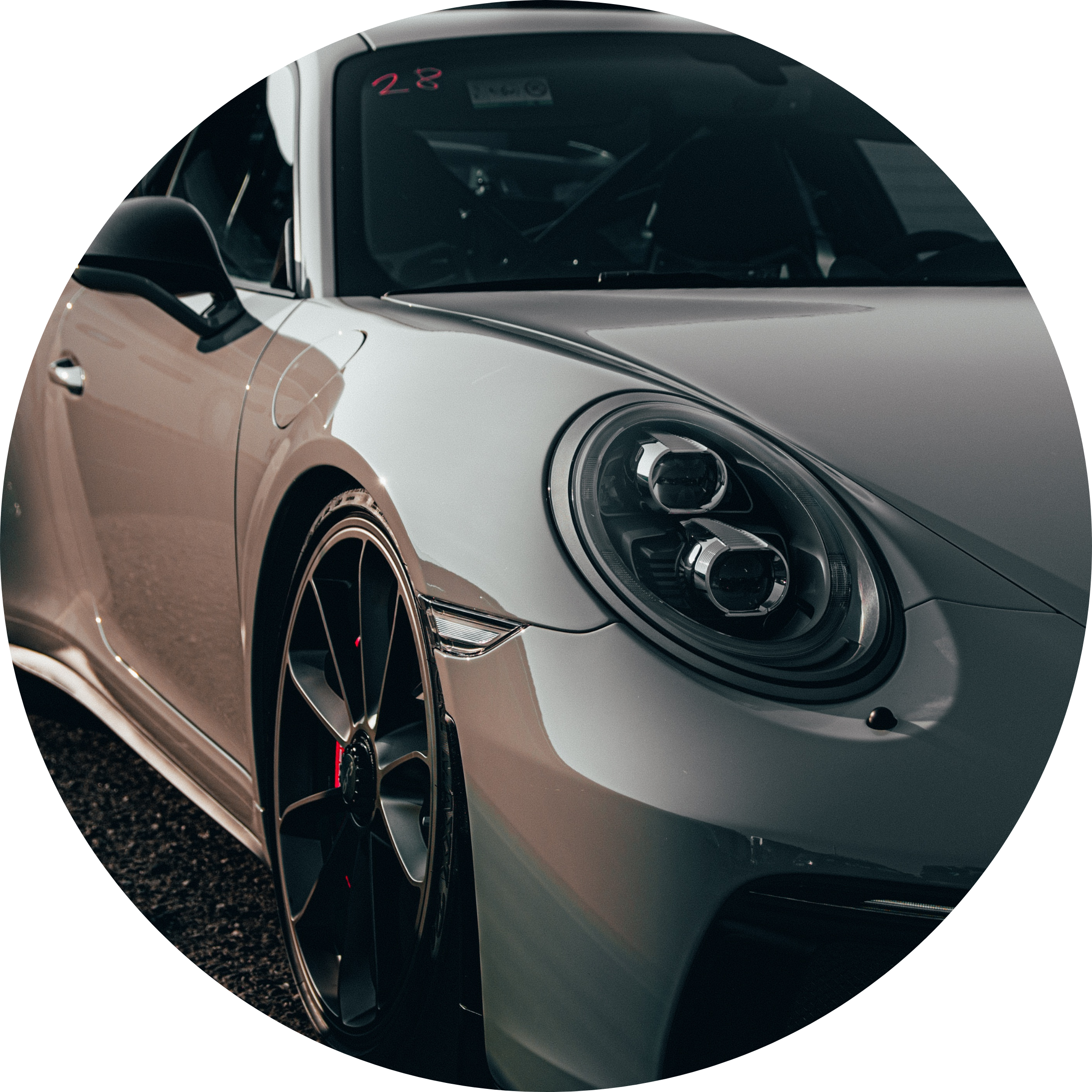
Automotive
ECUs, sensors, lighting modules
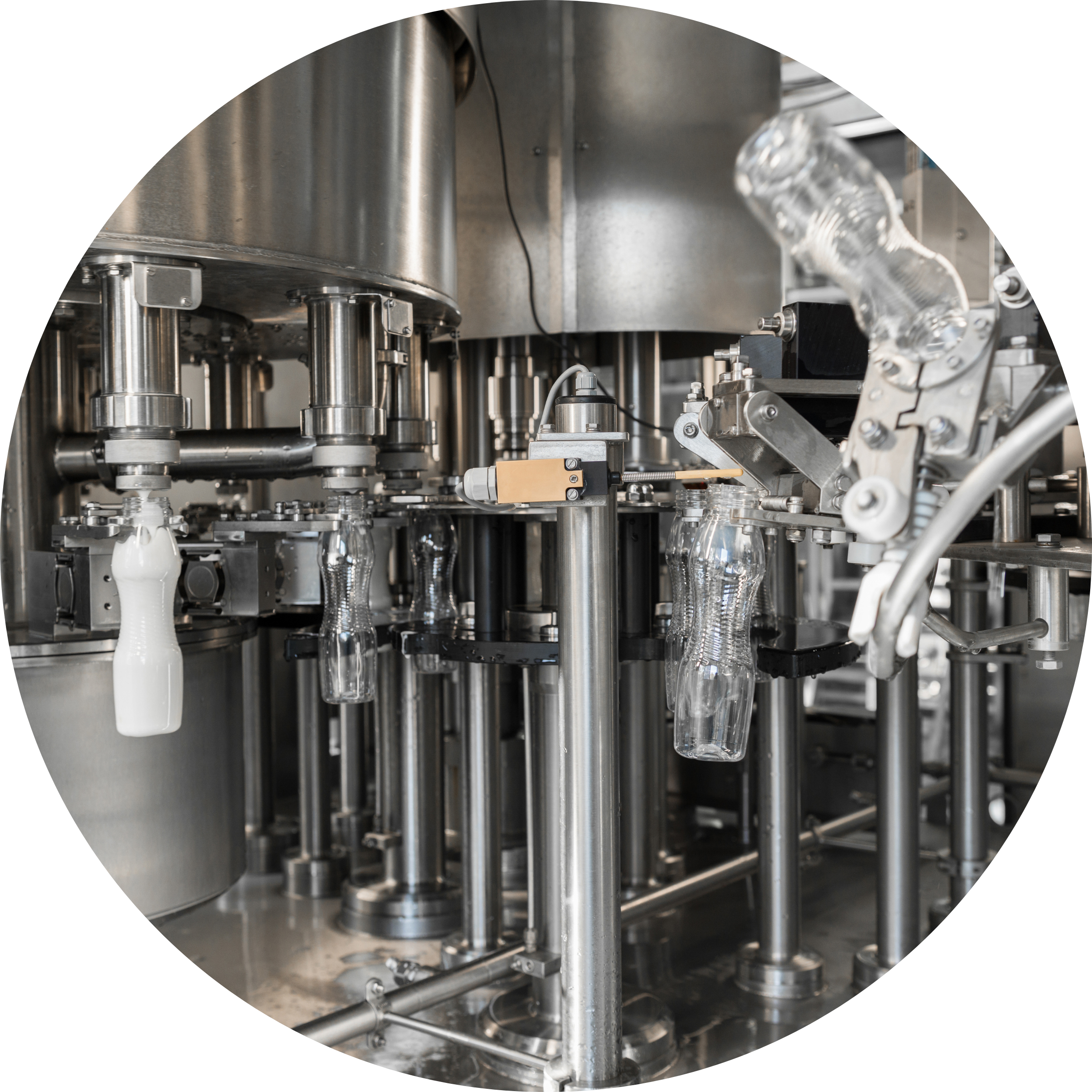
Industrial
Control systems, IoT nodes
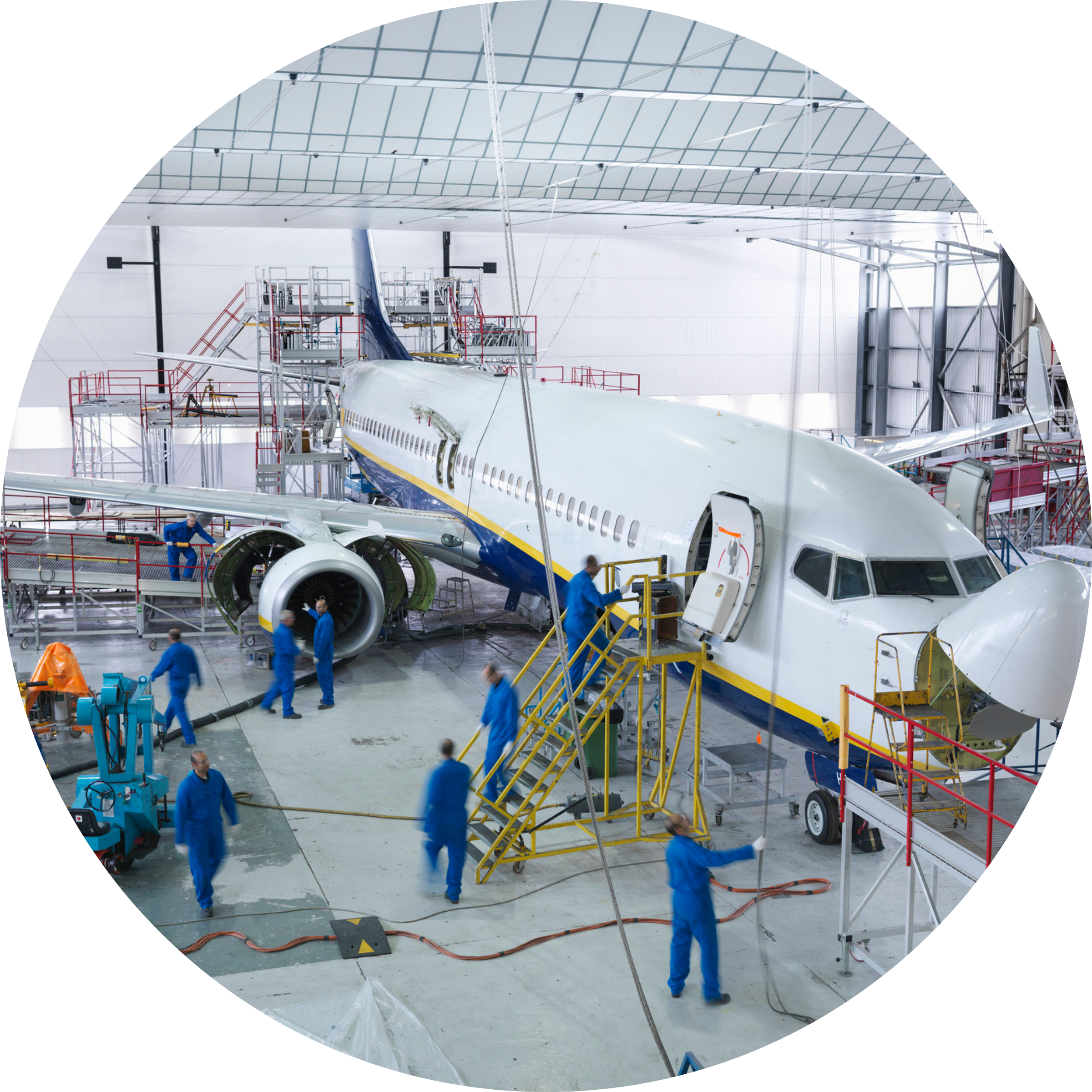
Aerospace & Defense
Avionics, guidance systems
Conformal Coating Product Ecosystem
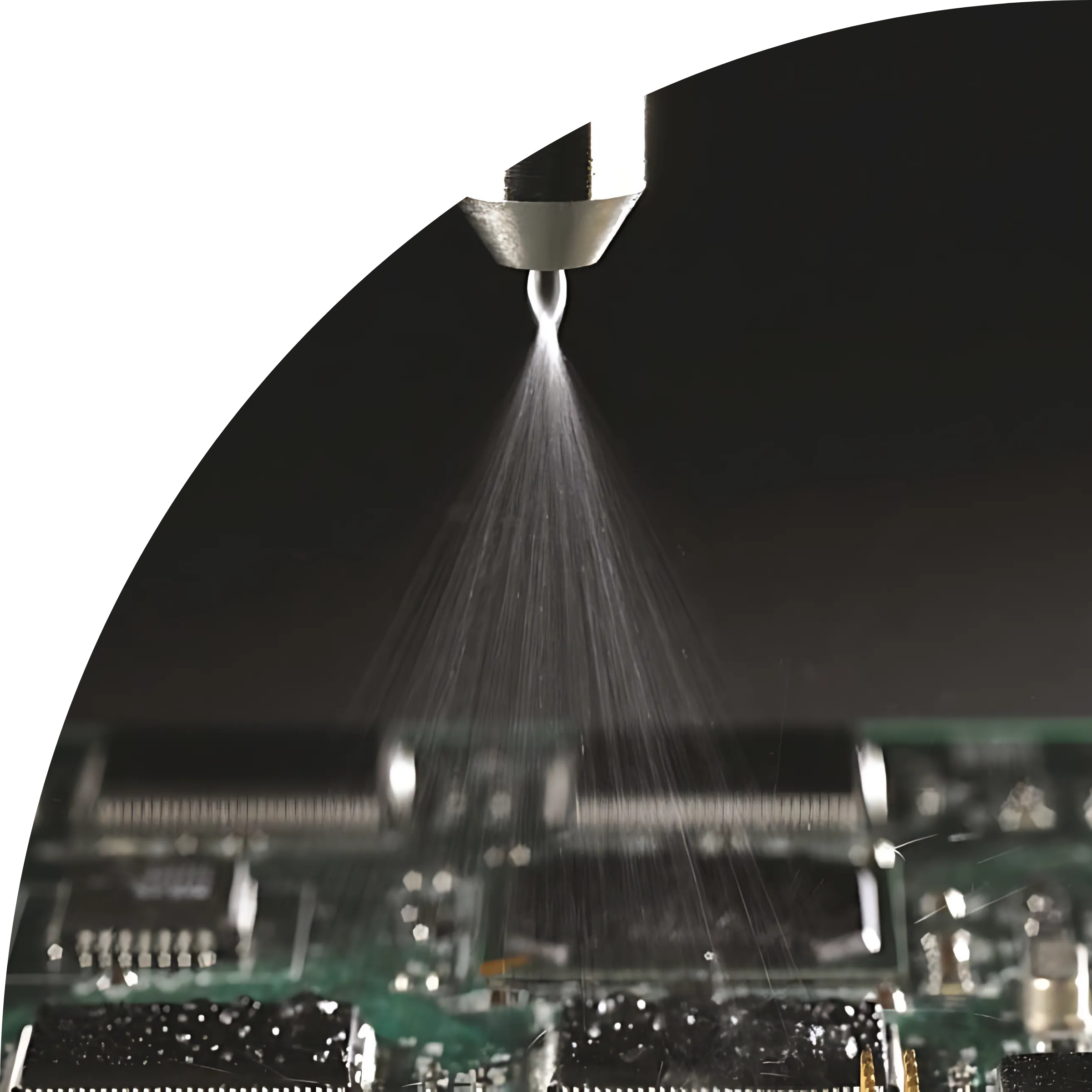
The effectiveness of a conformal coating system relies not only on the coating itself but also on the complementary products that ensure precise application, consistent performance, and easy rework. A typical ecosystem includes:
Conformal Coating
- Uniform, thin protective barrier
- Prevents moisture, dust, corrosion
Chemistries:
- Acrylics
- Silicones
- Urethanes
- UV-curable
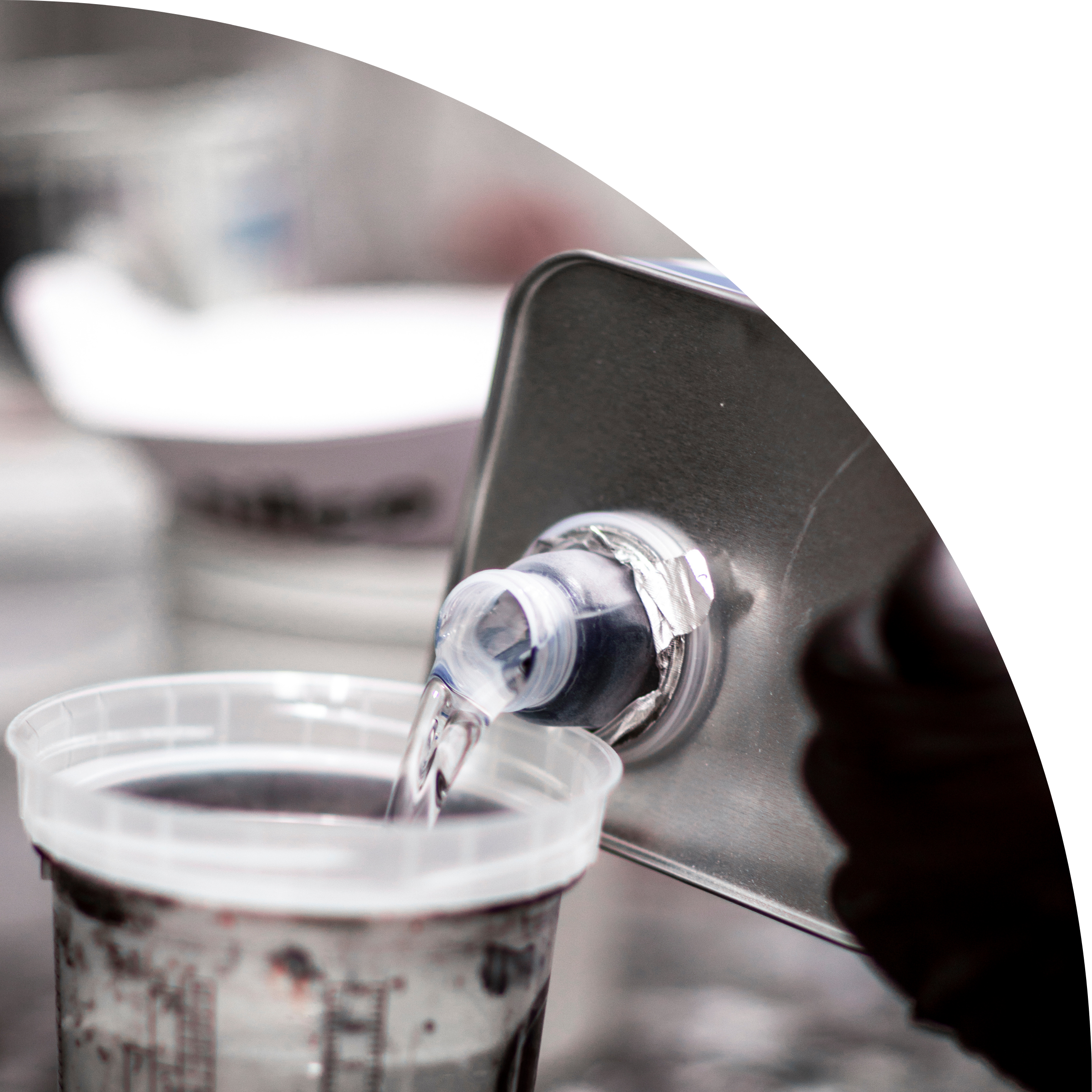
Thinner
- Adjusts spray, dip or brush viscosity
- Ensures uniform film thickness
Selection:
- Match solvent blends to each chemistry
- Balance thinning vs. adhesion
Stripper
- Removes cured coatings safely
- No damage to sensitive components
Types:
- Fast-acting solvents for bulk
- Gentle spot-stripping formulas
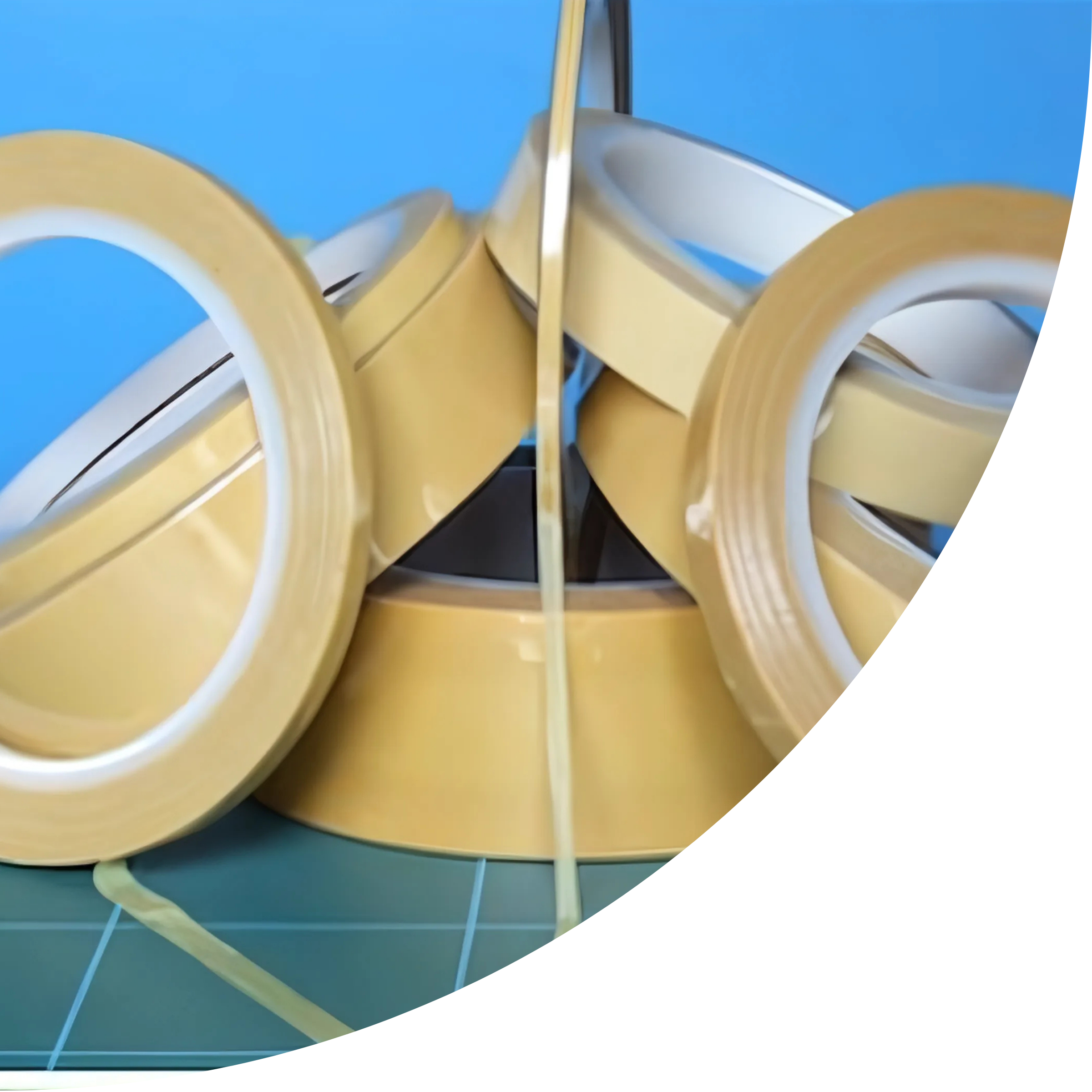
Masking Materials
- Protects connectors & test points
- Leaves critical areas coating-free
Options:
- Liquid masks
- Peelable tapes
- Silicone plugs
Types of Conformal Coatings According to Chemistry of Base Resin
Conformal coatings come in several chemistries, each offering unique protective properties and application characteristics suited for different environments and industry needs. The most common types include acrylic, silicone, polyurethane, epoxy, and parylene coatings. These materials vary in terms of moisture resistance, chemical durability, flexibility, ease of application, and reworkability, making the selection dependent on the specific performance demands of the application.
Acrylic
Pros: Easy to apply and remove; dries quickly and is cost-effective for general use.
Cons: Limited chemical and temperature resistance; not ideal for harsh or high-performance environments.
Urethane
Pros: Strong resistance to moisture, chemicals, and abrasion; good for automotive or industrial use.
Cons: Rigid and harder to rework; long curing times and possible outgassing issues.
Silicone
Pros: Excellent flexibility and thermal stability; ideal for high-temperature or outdoor use.
Cons: Difficult to remove or rework; may have limited chemical resistance depending on formulation.
Rubber
Pros: Cost-effective coating with balanced performance for less demanding environments.
Cons: Limited high-temperature resistance; moderate chemical resistance.
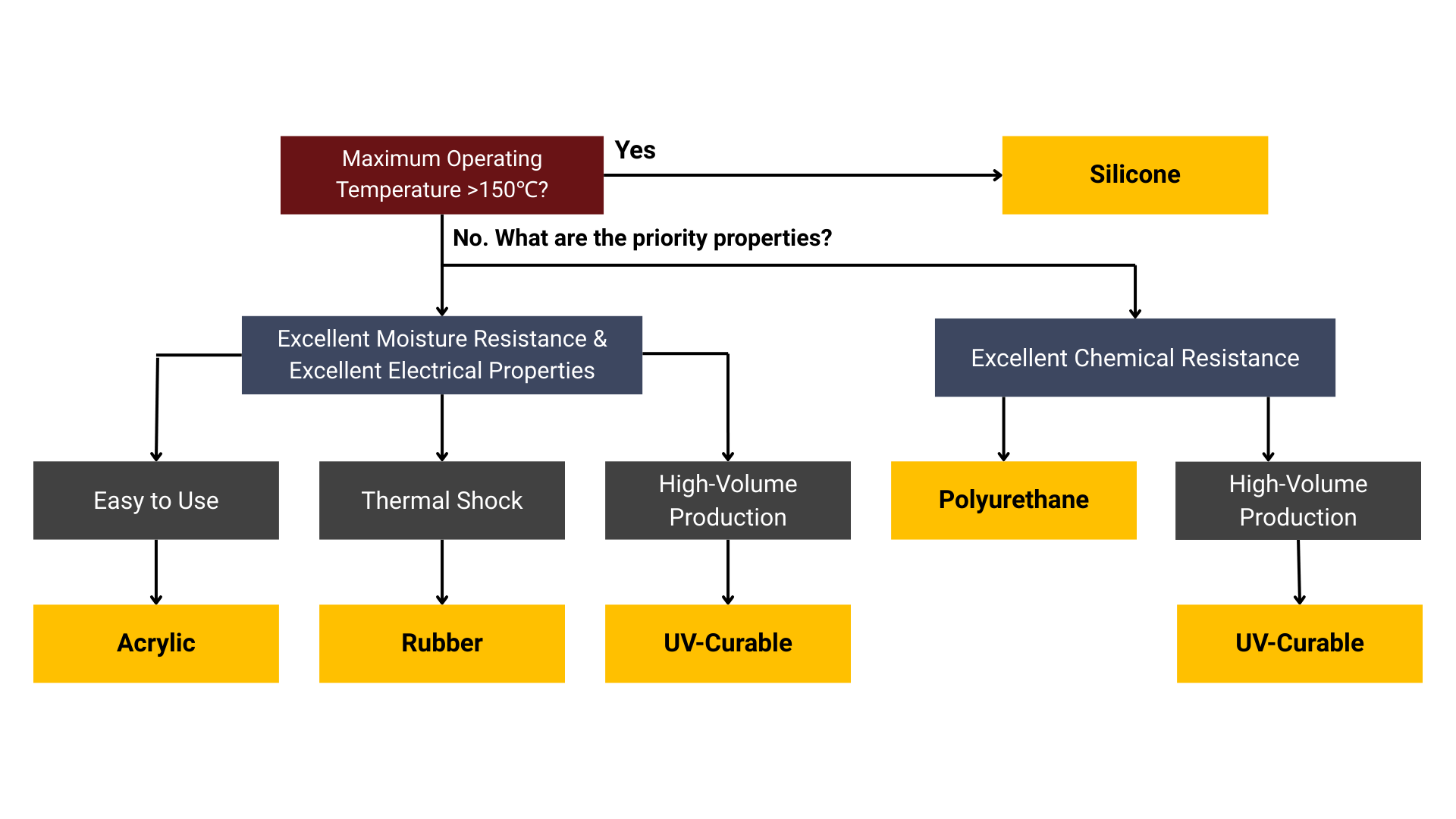
Conformal Coating Selector Guide based on Resin Chemistry
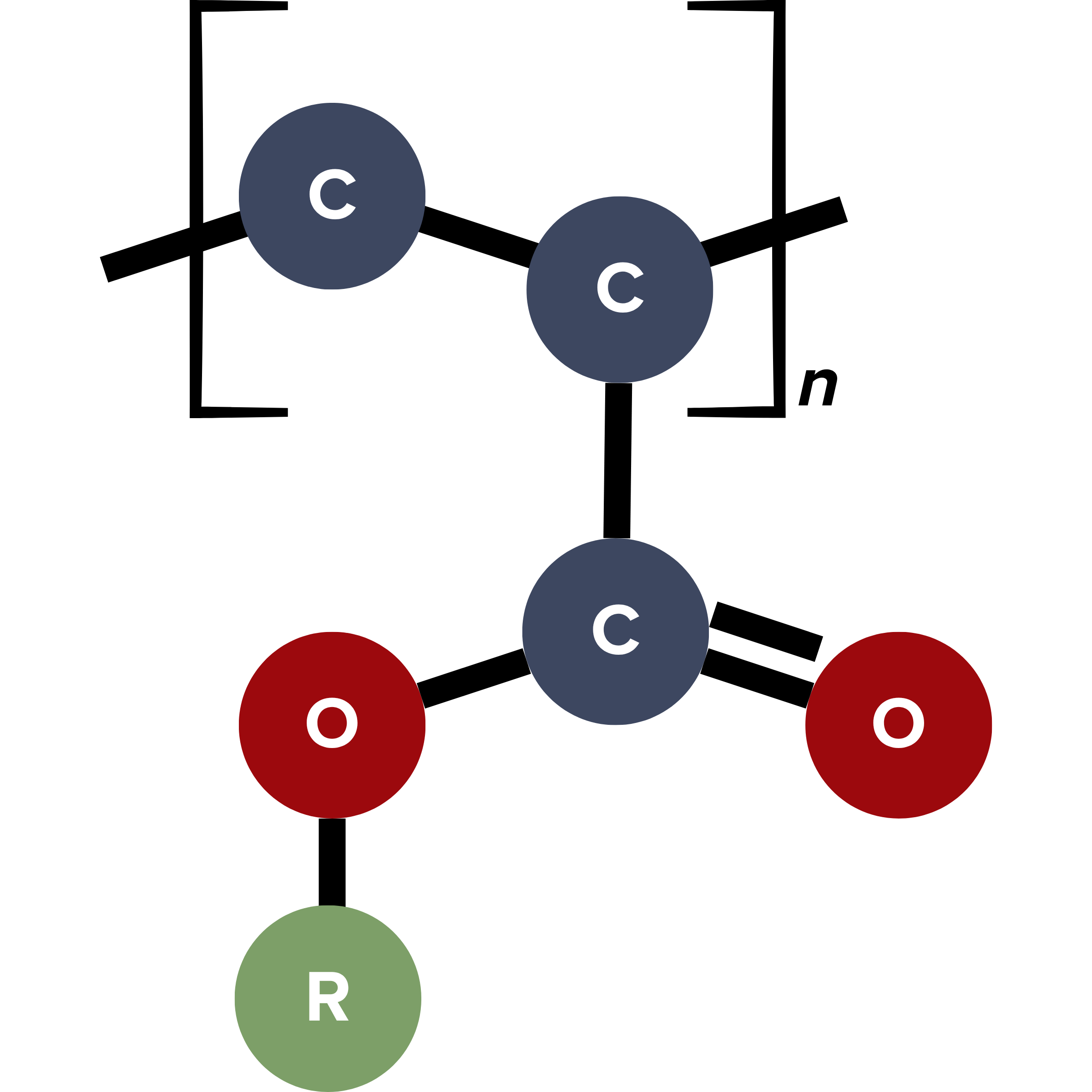
Acrylic conformal coatings are typically based on polymers derived from acrylic acid or methacrylic acid esters. These resins are linear and thermoplastic, which means they do not crosslink during curing. This gives them high reworkability and allows for fast curing.
Acrylic-based coatings represent the largest market share of conformal coatings. The widespread choice of acrylics can be attributed to their ease of use, short cure time, and reworkability/repairability.
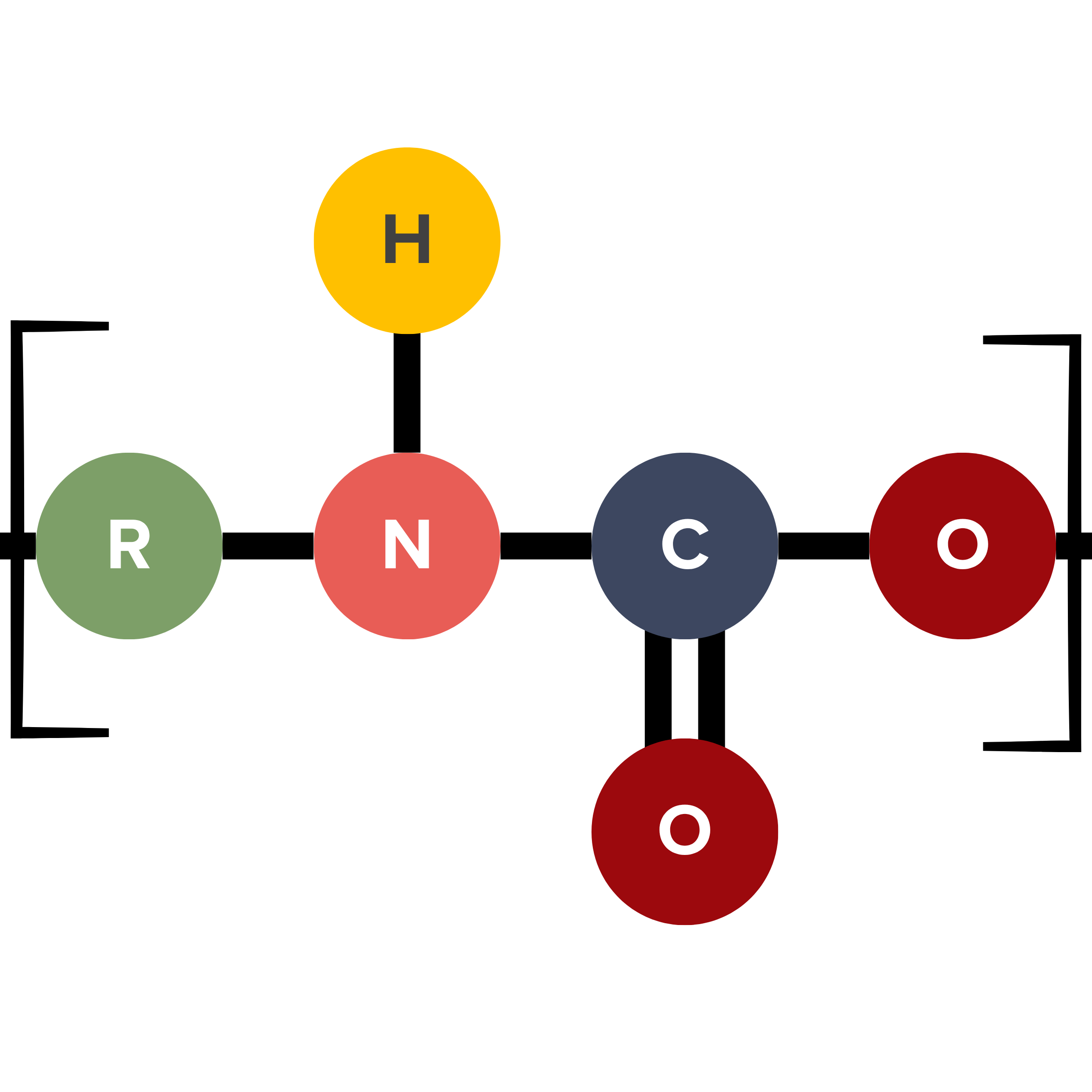
Polyurethane coatings are formed by crosslinking polyols with isocyanates, resulting in a flexible, tough layer with excellent abrasion and chemical resistance. Compared to acrylics, polyurethanes offer higher chemical resistance and mechanical strength, second only to epoxies. However, they remain easier to rework than epoxies and stand up well to salt spray and industrial gases. Note that polyurethane coatings typically require longer curing times.
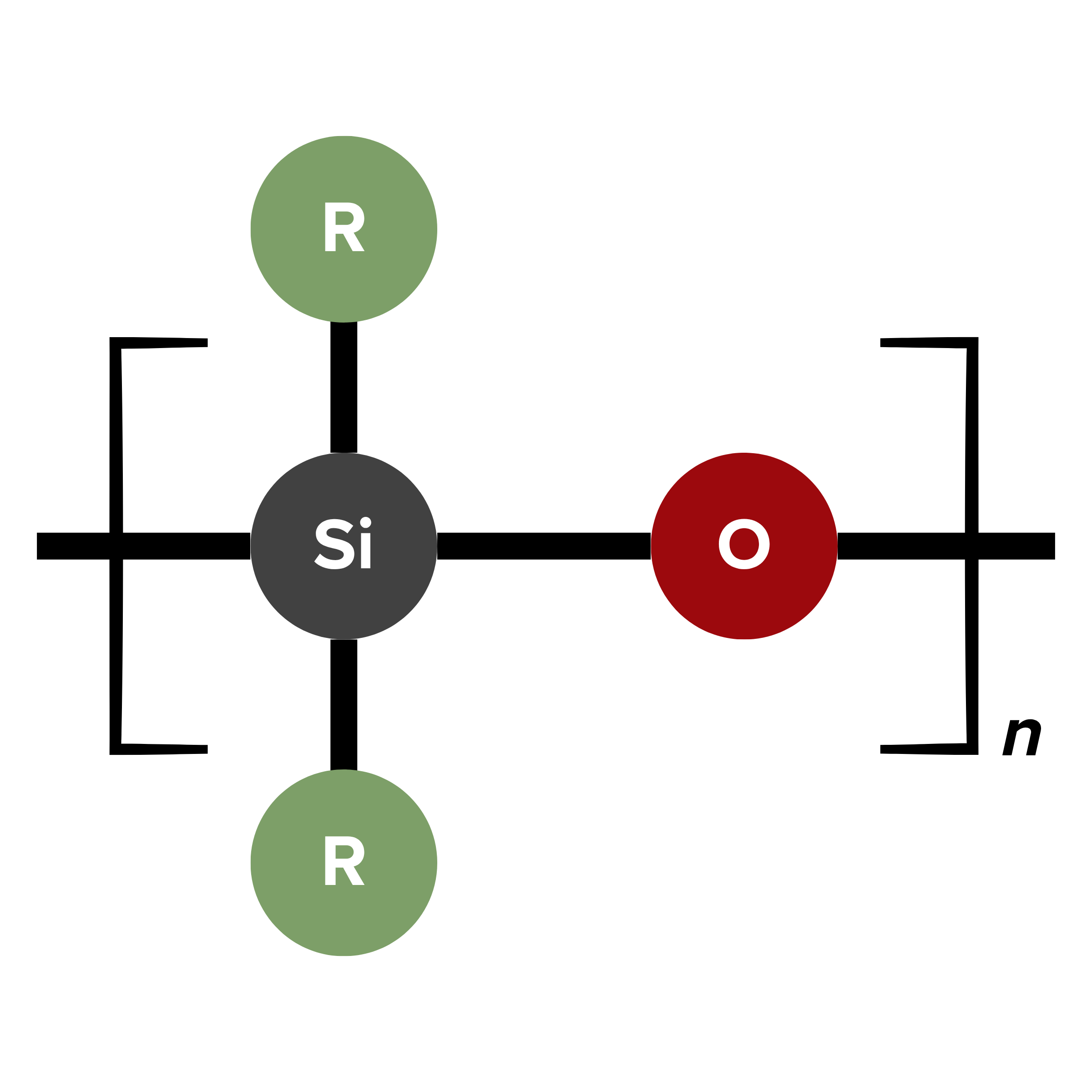
Silicone-based conformal coatings are uniquely characterized by their exceptional high-temperature performance. The strong, thermally stable Si–O bonds in silicones outperform the carbon–carbon bonds found in acrylics, enabling these coatings to withstand temperatures above 150 °C. They excel in applications like industrial mining equipment, high-temperature electronics, and underhood automotive components.
While silicones are not as abrasion-resistant due to their rubbery flexibility, this same property allows them to absorb vibration. Removal typically requires specialized solvents, prolonged soak times, and mechanical agitation.
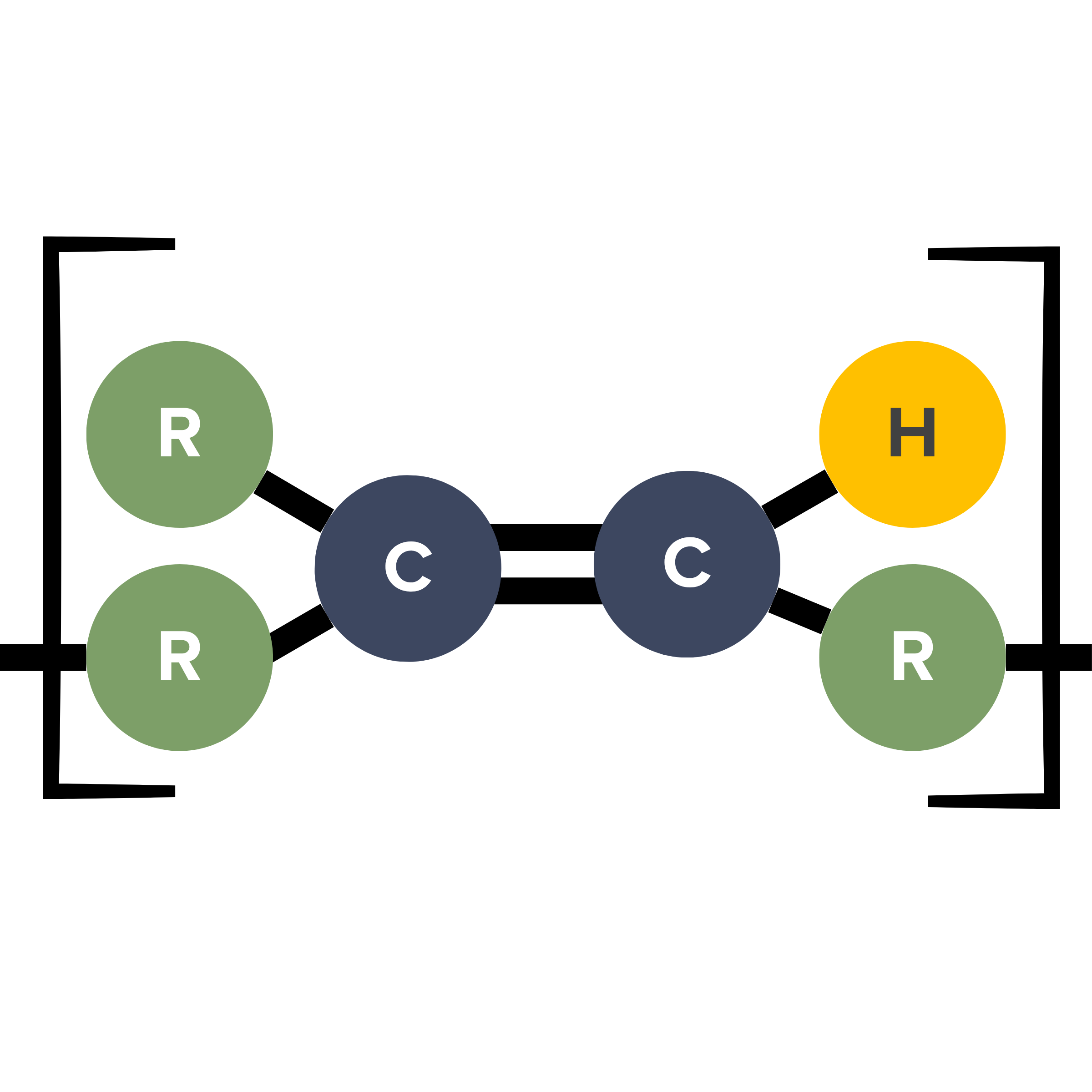
Synthetic rubber conformal coatings are elastomer-based films, often made from butyl rubber or styrene block copolymers. They offer moderate reworkability and good moisture resistance. Though not as chemically or thermally robust as polyurethanes or silicones, they deliver balanced performance for less demanding environments and withstand vibration and damping stresses well.
Acrylic
Reworkability
★★★★☆
Moisture Resistance
★★☆☆☆
Chemical Resistance
★★☆☆☆
Thermal Resistance
★★☆☆☆
Dielectric Strength
★★★★☆
Cost
$
Best for automotive, avionics, communications, fast repair, reworkable systems
Polyurethane
Reworkability
★★☆☆☆
Moisture Resistance
★★★★☆
Chemical Resistance
★★★★★
Thermal Resistance
★★★☆☆
Dielectric Strength
★★★★☆
Cost
$$
Best for shipping, avionics, chemical process, industrial harsh zones
Silicone
Reworkability
★★☆☆☆
Moisture Resistance
★★★★★
Chemical Resistance
★★★☆☆
Thermal Resistance
★★★★★
Dielectric Strength
★★★★★
Cost
$$$
Best for high-temp circuits, LED lighting, solar inverters
Rubber
Reworkability
★★☆☆☆
Moisture Resistance
★★★★☆
Chemical Resistance
★★★☆☆
Thermal Resistance
★★★☆☆
Dielectric Strength
★★★☆☆
Cost
$
Best for automotive, transportation, rail, high temp, vibration-prone, low-cost devices, LED drivers
UV-curable (Acrylates)
Reworkability
★★☆☆☆
Moisture Resistance
★★☆☆☆
Chemical Resistance
★★★★☆
Thermal Resistance
★★★☆☆
Dielectric Strength
★★★★☆
Cost
$$
Best for high-volume, inline production, VOC-sensitive processes
Types of Conformal Coatings According to Curing Mechanisms
Solvent Evaporation
Film cures as dissolved resin solids deposit when the solvent (or water) flashes off at room temperature or with mild heat.
Acrylics
Synthetic Rubbers
Moisture Cure
One-part formulations that crosslink when ambient moisture diffuses into the film and triggers polycondensation or addition.
Silicones
Polyurethanes

Heat Cure
Requires elevated temperature (often 80–150 °C) to drive crosslinking reactions in the absence of UV or moisture.
Two-part Epoxies
2K Polyurethanes
UV Cure
Uses photoinitiators that, upon UV absorption, generate radicals or cations to rapidly polymerize acrylate-based resins.
Multifunctional Acrylates
Epoxy-modified Acrylates

Dual Cure
Combines two mechanisms (e.g., UV + moisture, UV + thermal) to ensure cure in shaded areas or to boost final properties.
Hybrid Chemistries
(e.g., Acrylate + Silicone)
UV-curable Conformal Coatings
UV-curable conformal coatings are thin polymeric films applied to electronic assemblies that rapidly crosslinks and solidifies when exposed to ultraviolet (UV) light. This technology addresses the length cure cycles and complications on solvent handling required in early conformal coatings. UV-curable coatings are typically multifunctional acrylates or epoxy-modified acrylates that provide hardness and chemical resistance.
Another processing advantage is that this technology is environmentally friendly, as it contains no volatile organic compounds (VOCs) or solvents. Like silicone coatings, it is 100% solid. Due to the short cure time, UV-curable conformal coatings are suitable for high-volume applications.
Key Features
- UV cure in seconds
- Eliminates bake/flash steps
- High chemical resistance; moderate moisture barrier
- Tough yet flexible; abrasion-resistant
- 100 % solids; zero VOC/solvent
- Compact UV stations (no ovens)
- Optimized for high-volume inline lines
- Hybrid chemistries (acrylate, PU, epoxy blends)
Best Use Cases
- High-volume, fast-turnaround production
- Temperature-sensitive components
- Selective / mask-free coating
- Complex geometries and fine-pitch boards
- Flexible and wearable electronics
- Optoelectronic and sensor modules
- Field service and touch-up
- Automotive electronics (under-hood / high-vibe)
- Miniaturized and micro-assembly
- Hybrid cure strategies
UV-curable Conformal Coatings Cure Mechanism
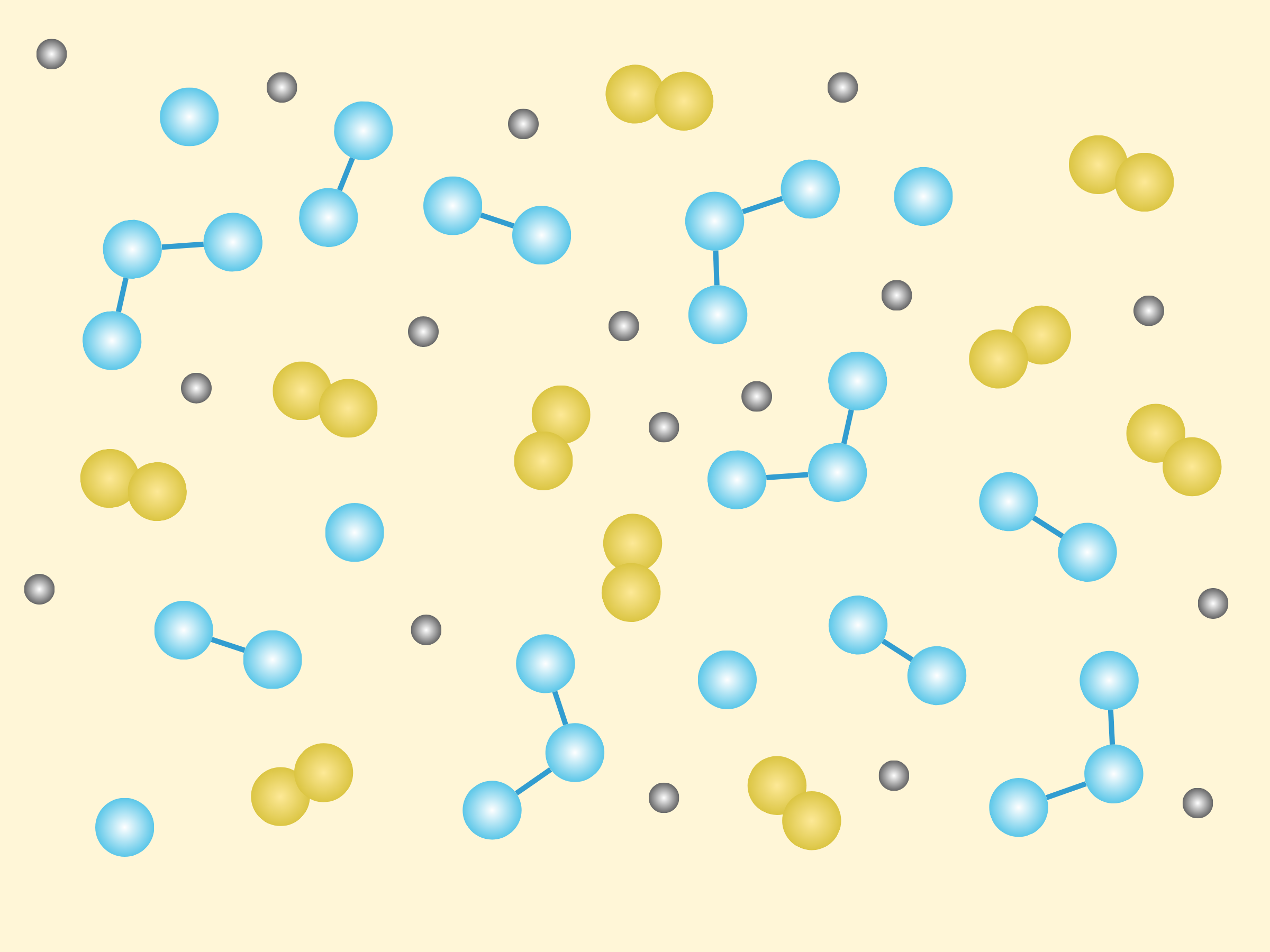
Pre-cure
Before any UV exposure, the coating exists as a uniform, liquid film composed of linear oligomer and monomer chains, photoinitiator molecules, and some additives.
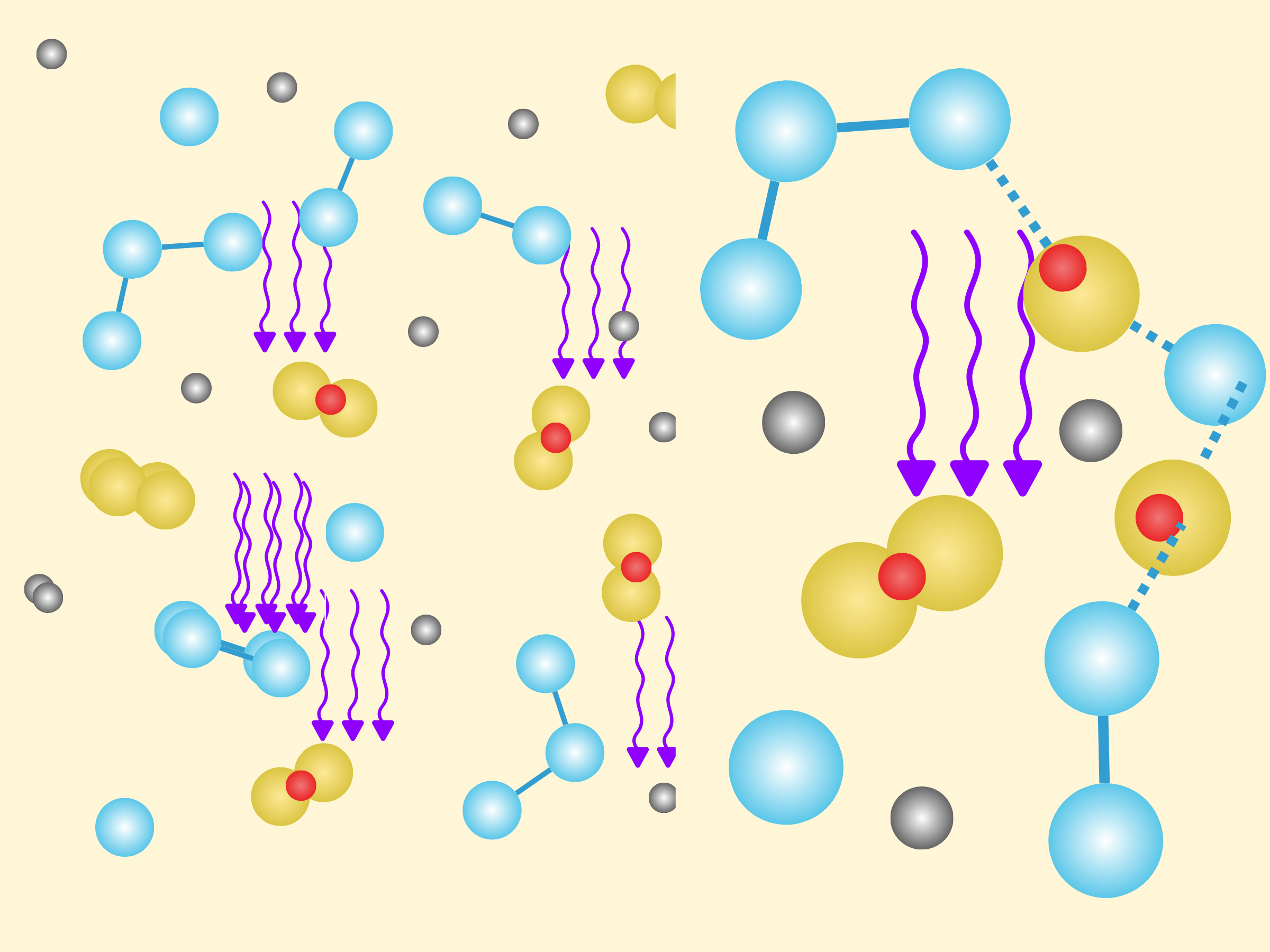
→
UV Light Exposure and Absorption
Photoinitiator molecules absorb UV photons and cleave (radical cure) or generate cations (cationic cure). These reactive species are the “spark” that starts chain-growth polymerization of the acrylate/epoxy groups.
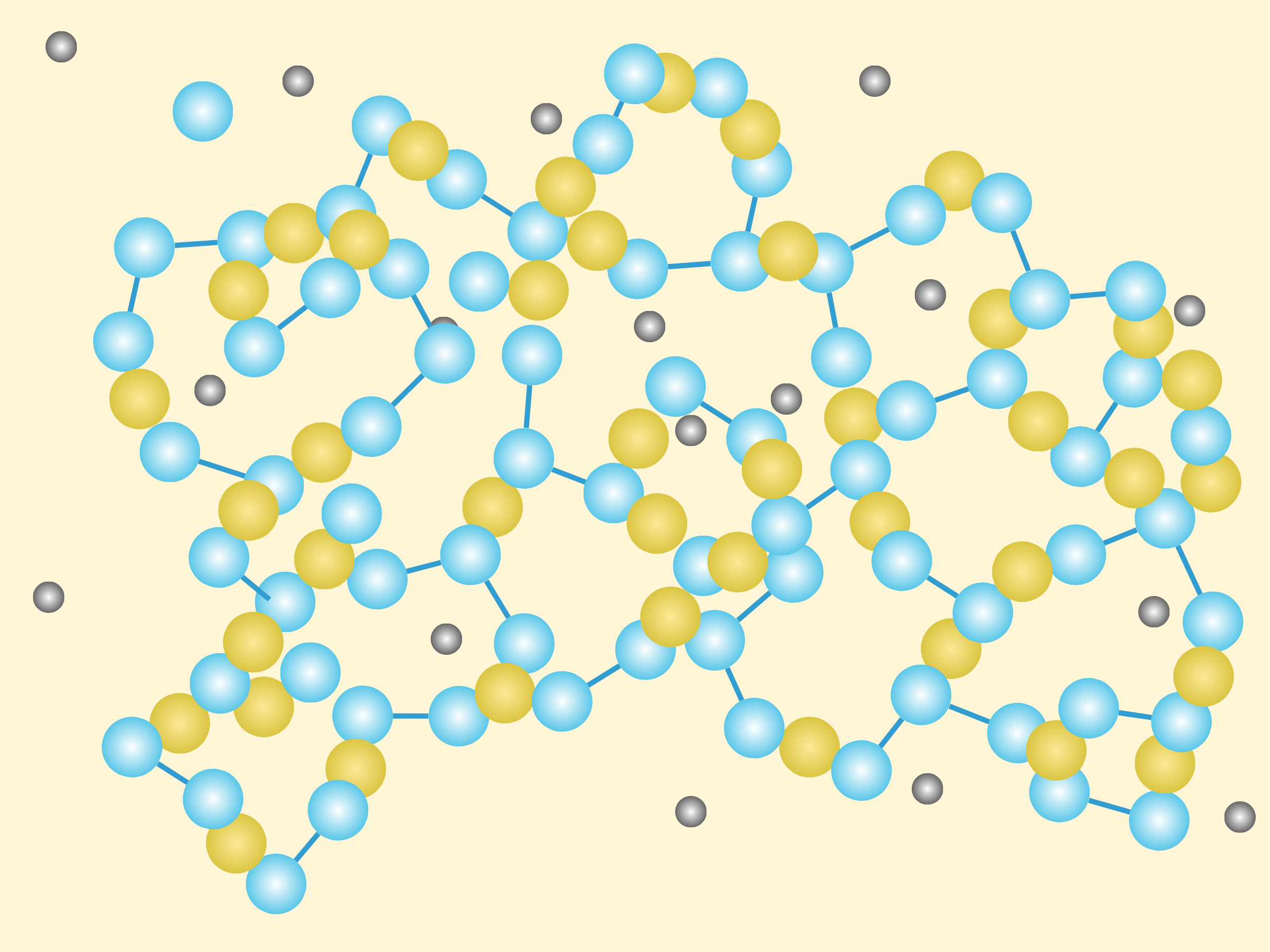
→
Crosslinking
Multifunctional acrylates link together, forming a three-dimensional network. Within seconds, viscosity spikes as the network percolates, and the film becomes tack-free.
Dual-cure Conformal Coatings
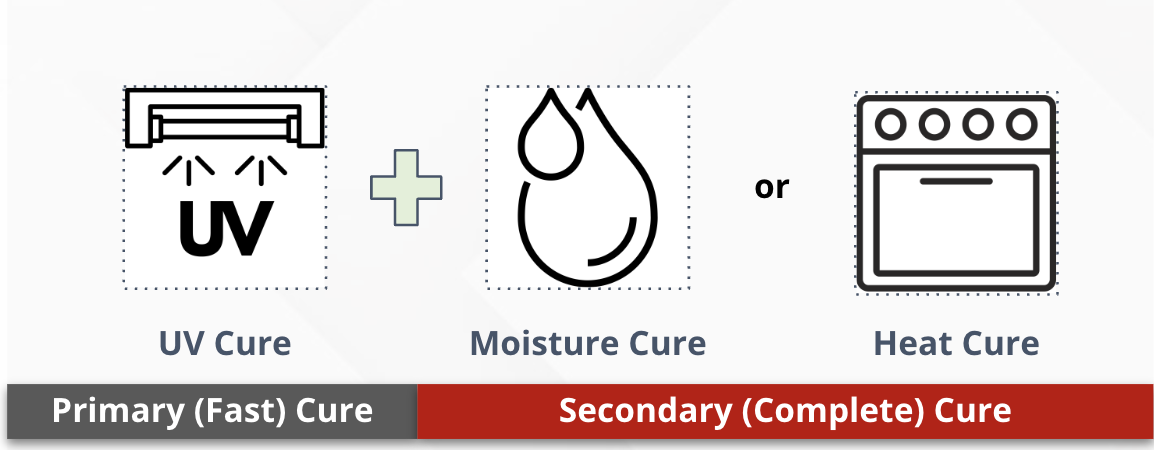
Dual-cure conformal coatings are hybrid systems engineered to combine two distinct curing mechanisms, typically a rapid primary cure (such as UV-initiated polymerization) and a secondary cure (moisture- or heat-driven crosslinking), to deliver both instant handling strength and complete, through-film cure even in shadowed or occluded regions.
Best Use Cases
- Complex Assemblies: High-pin-count PCBs, connectors, and sensors where full 3D coverage is critical.
- High-Reliability Electronics: Automotive ECUs, medical instruments, and aerospace modules needing both instant cure and long-term durability.
- Inline Production Lines: Facilities seeking to maximize throughput without sacrificing cure completeness or film integrity.
Conformal Coatings Cheat Sheet,
Classification by Cure Mechanism, Typical Chemistries, and Solvent Content
| Cure Mechanism |
Typical Chemistries |
Contains Solvent? |
| Solvent Evaporation |
Organic-solvent acrylics |
Yes |
| Waterborne acrylics |
Yes |
| Synthetic rubbers |
Yes |
| Solvent-based polyurethanes |
Yes |
| Solvent-borne hybrids |
Yes |
| Moisture Cure |
1-part RTV silicones |
No |
| 1-part moisture-cure polyurethanes |
No |
| Heat Cure |
2-part epoxies |
No |
| 2-part polyurethanes |
Varies |
| Cationic epoxies (thermal post-cure) |
No |
| Photo-Initiated (UV-Cure) |
Multifunctional acrylates |
No |
| UV-curable epoxy-acrylates |
No |
| Dual-Cure / Hybrid |
UV-acrylate + moisture-cure silicones |
No |
| UV-acrylate + thermal-cure epoxies |
No |
Conformal Coating Application Methods
Applying a conformal coating isn’t a one-size-fits-all decision. If you’re running dozens or thousands of boards, a high-speed spray booth can blanket them in seconds. Need pinpoint accuracy? Robotic dispensers or stencil masks let you coat just the connectors and test points. Dip coating delivers an even film over every surface, while a simple brush or stencil approach is ideal for prototypes and spot repairs. And when only certain areas require protection, selective coating cuts down on waste and cleanup. Ultimately, the best choice comes down to your board’s shape, how tightly you’ve packed components, your production volumes, and how consistent that coating needs to be, so you protect your electronics without slowing down your workflow.
Hand Brush
Uniformity
★☆☆☆☆
Throughput
★☆☆☆☆
Wastage
★★★★★
Masking Req.
★★★★☆
Ideal Batch Size
1–10 pcs
Cost
$
Best for prototypes, rework/repair, small batches
Hand Dispensing
Uniformity
★★☆☆☆
Throughput
★★☆☆☆
Wastage
★★★★★
Masking Req.
★★★★☆
Ideal Batch Size
1–20 pcs
Cost
$
Best for selective spot coating, rework/touch up
Hand-held Spray
Uniformity
★★☆☆☆
Throughput
★★☆☆☆
Wastage
★☆☆☆☆
Masking Req.
★★★☆☆
Ideal Batch Size
10–100 pcs
Cost
$$
Best for small to medium batches, field servicing, maintenance
Selective Coating
Uniformity
★★★★★
Throughput
★★★★☆
Wastage
★★★★★
Masking Req.
★★★★★
Ideal Batch Size
up to 100 pcs
Cost
$$$$$
Best for coating only critical “hot spots,” stencil-style patterns
Automated Dip
Uniformity
★★★★★
Throughput
★★★☆☆
Wastage
★★★★★
Masking Req.
★★☆☆☆
Ideal Batch Size
50–500 pcs
Cost
$$$
Best for high-volume yields where overspray must be avoided
Automated Spray
Uniformity
★★★★☆
Throughput
★★★★★
Wastage
★☆☆☆☆
Masking Req.
★★★☆☆
Ideal Batch Size
100s–1,000s pcs
Cost
$$$
Best for mid- to high-volume production, multi-shift operations
Note: Throughput rating – ★☆☆☆☆ = slow, ★★★★★ = fast; Wastage rating – ★☆☆☆☆ = high waste, ★★★★★ = minimal waste; Masking Requirement rating – ★☆☆☆ = high effort, ★★★★★ = low effort.
Presentations
Conformal Coatings
June 2026
This presentation provides an introduction to conformal coatings and their role in protecting electronic assemblies from moisture, chemicals, dust, corrosion, and other environmental contaminants. It explores how conformal coatings can extend product life, common application methods, key limitations, and the various coating chemistries available, including acrylic, silicone, urethane, epoxy, and parylene systems. Attendees will gain a practical understanding of coating selection criteria and performance considerations for reliable electronics protection.
Presentations
Selection Guide for ABChimie Conformal Coatings
Kalliope Zembillas, June 2026
This presentation introduces the main types of conformal coatings provided by ABChimie and the process that should be used to select a product based on defined criteria.
Related Blogs
How to Select the Right Conformal Coating
Kalliope Zembillas, September 2023
This blog guides you through selecting the right conformal coating by covering key chemistries, performance traits, and application methods. It includes a 30-day corrosive environment case study to illustrate real-world protection. A practical selector chart at the end helps you match coating characteristics to your specific requirements.

Chemical Rework Guide for Conformal Coatings
Kalliope Zembillas, May 2026

Why Moisture Vapor Permeability Matters in Conformal Coatings and PCB Reliability
Kalliope Zembillas, June 2026
Moisture vapor permeability (MVP) measures how easily water vapor can pass through a conformal coating, making it a critical factor in PCB protection. The article explains that even coatings that appear waterproof can allow moisture to diffuse through over time, potentially leading to corrosion, electrochemical migration, insulation resistance loss, and premature electronic failures.