
HGP12 | High Thermal Conductivity Gap Pad
Harmonization Code : 3824.99.96.99 | Prepared binders for foundry moulds or cores; chemical products and preparations of the chemical or allied industries (including those consisting of mixtures of natural products), not elsewhere specified or included : Other : Other: Other
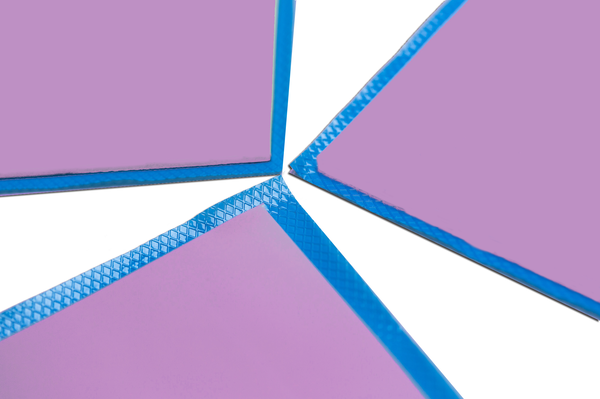
Main features
- 0.13 Thermal Impedance
- 12 Thermal Conductivity
- Low oil bleeding & Low volatile
Product Description
HGP12
Unlike other products we offer, the products listed on this page cannot currently be ordered directly from the website.
 Shipping in 12 weeks
Packaging
TDS, SDS & Technical Documents
- HGP12_TDS
Technical Specifications
General Properties
Thermal Properties
Electrical Properties
Additional Information
Frequently Asked Questions About HGP12 (12 W/m·K Ultra-Soft Thermal Gap Pad)
Learn More About HGP12 (12 W/m·K Ultra-Soft Thermal Gap Pad)
HGP12 is a high-conductivity, ultra-soft silicone gap pad designed to deliver efficient heat transfer while minimizing compression force on sensitive components. It offers low volatility, low siloxane content, and excellent wetting of uneven surfaces for stable long-term performance.
Key Features at a Glance
- ✔ 12.0 W/m·K thermal conductivity
- ✔ Ultra-soft, low-pressure compression
- ✔ Excellent interface wetting
- ✔ Low volatility & low siloxane
- ✔ High dielectric strength
- ✔ UL 94 V-0 equivalent safety rating
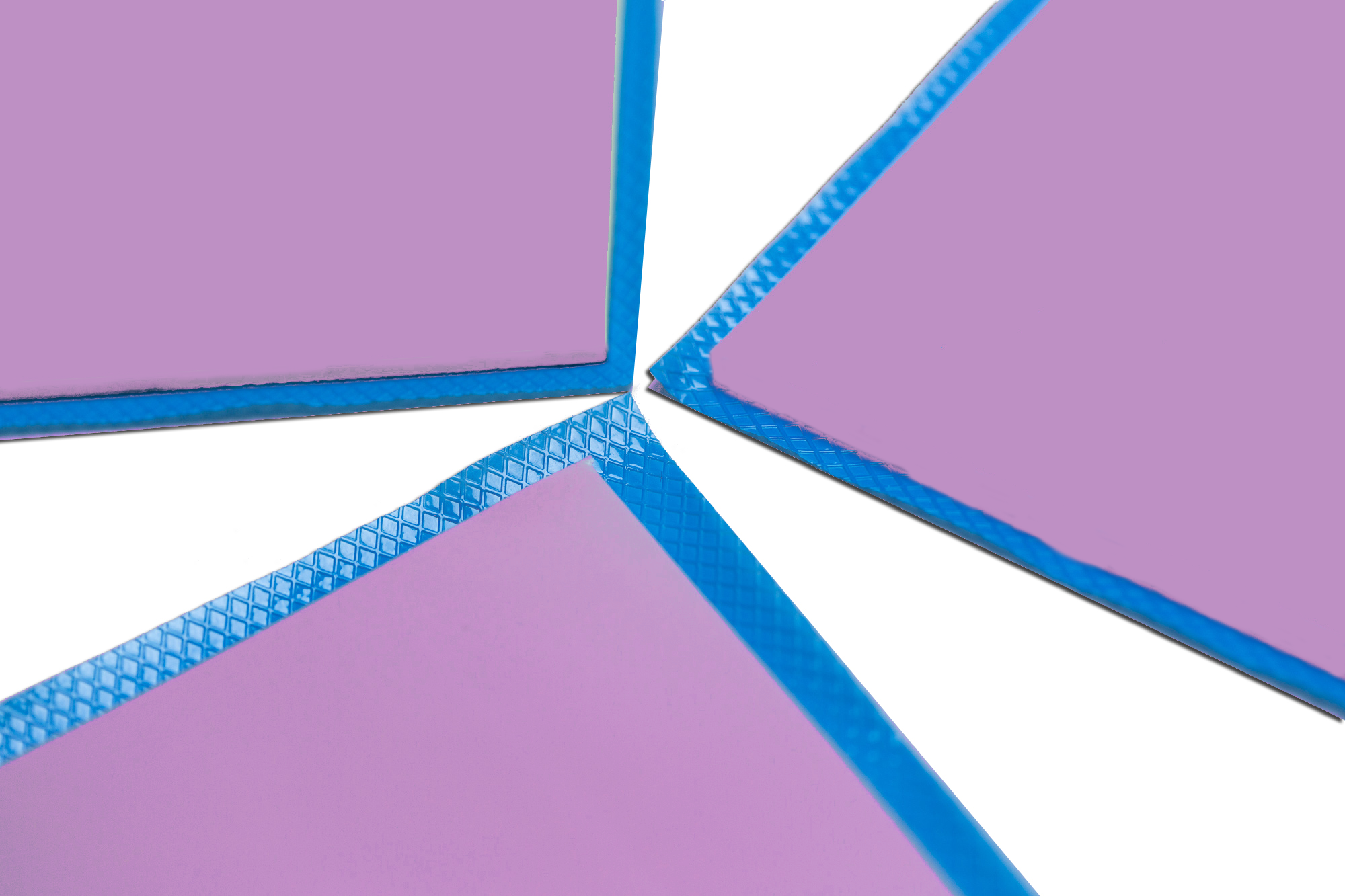
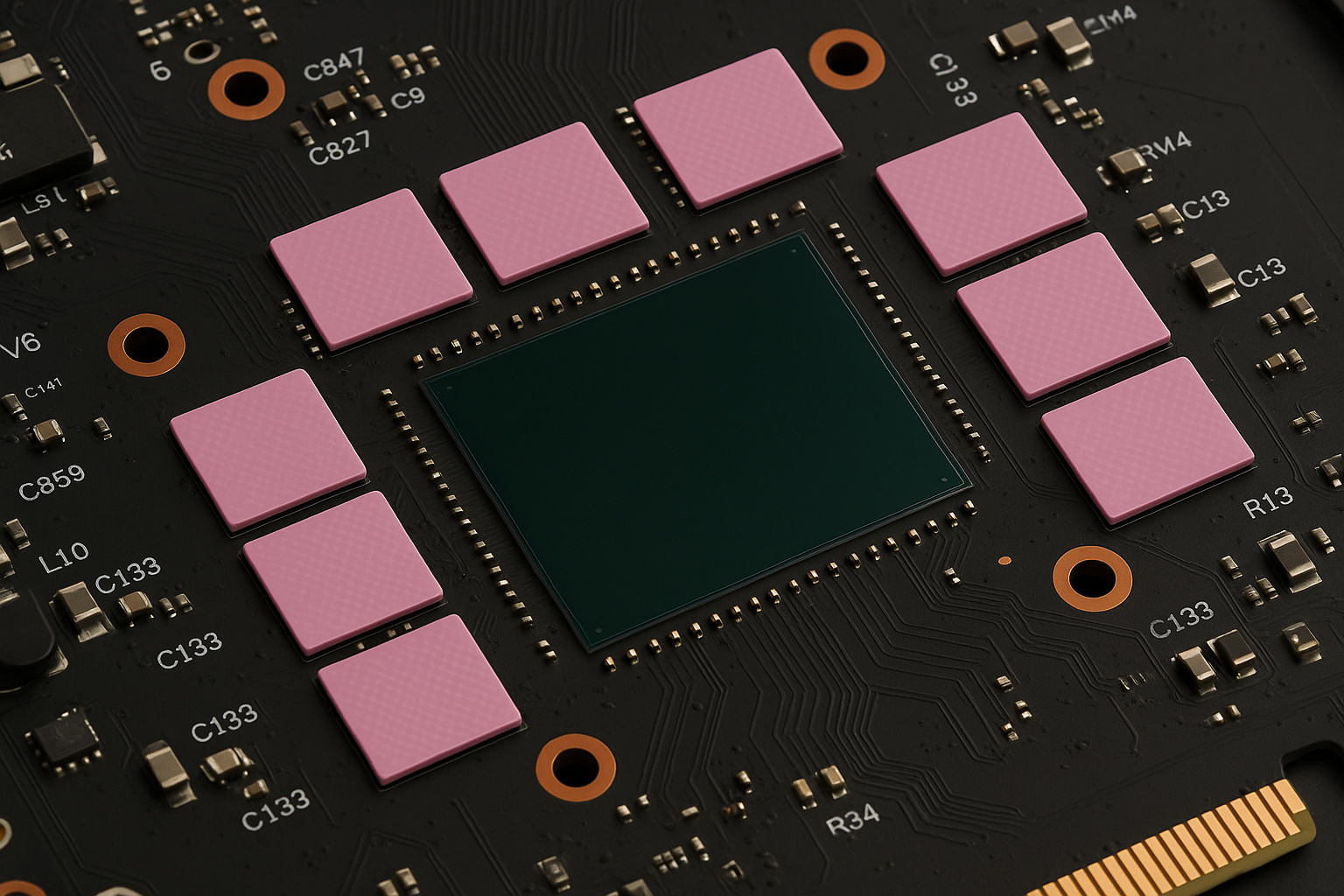
Versatile Application Methods
Application Methods
HGP12 is installed as a pre-cut pad placed directly between heat-generating components and heat sinks. Its softness enables hand placement or automated assembly without high clamping force.
Reliable Across Environments
Low volatile content and low oil bleed ensure stable performance in optical, telecom, and automotive environments sensitive to contamination.
Compliance You Can Trust ✅
HGP12 meets stringent safety, performance, and material compliance standards required for high-end electronics.
- UL 94 V-0 flame retardancy (equivalent)
- Low volatility per ASTM E595
- Low siloxane (D3–D10 < 100 ppm)
- High dielectric strength
- ASTM D5470 thermal performance validation
- ASTM D257 electrical insulation compliance
Applications That Benefit Most from High Thermal Conductive HGP12

Case 1: Improving Thermal Efficiency in High-Density 5G RF Amplifiers
5G telecom base stations rely on high-power RF power amplifier (PA) modules that generate significant heat densities. As module power output increases, maintaining thermal stability and preventing derating becomes a major design challenge which may results to thermal throttling.
Technical Issues:
- Hotspots of +18°C above average due to poor conformability
- Module derating occurred during extended high power operation
- Long-term reliability concerns (voiding, pump-out, bleed contamination)

High-power industrial LED fixtures such as those used in factories, warehouses, tunnels, and outdoor infrastructure operate continuously and generate significant heat at the LED junction. Excess heat leads to lumen depreciation, color shift, and premature failure, making efficient thermal management essential for maintaining long service life and consistent light output.
Technical Issues:
- LED junction temperatures exceeding design limits, causing early lumen drop-off
- Hotspot formation due to uneven metal-core PCB (MCPCB) surface contact
- Thermal grease dry-out over time leading to increased thermal resistance
- Long-term reliability concerns during 24/7 operation in hot or enclosed environments

Modern AI training and inference servers use multi-die GPU accelerators that generate extreme heat fluxes, especially during sustained workloads. Maintaining low thermal resistance across complex module topographies is essential to prevent performance throttling and maintain system uptime in data centers.
Technical Issues:
- High heat flux (exceeding 300 W/cm²) from stacked GPU dies
- Gap variation due to tolerances in heat spreaders and interposers
- Performance throttling during extended ML training workloads
- Long-term aging concerns with traditional pads at elevated temperatures

Advanced Driver Assistance Systems (ADAS) rely on high-power processors, radar modules, and sensor fusion units that operate continuously under harsh automotive temperature cycles. These compact modules generate high heat loads that must be controlled to prevent thermal throttling and loss of processing performance.
Technical Issues:
- Peak temperatures approaching thermal throttling threshold during continuous lane-assist operation
- Uneven PCB-to-housing gaps due to vibration and mechanical tolerances
- Traditional gap fillers showing micro-voiding after extended thermal cycling
- Risk of reduced processing speed and degraded ADAS reliability
How HGP12 Helps in These Cases
Solstice HGP12 provides a consistent thermal advantage across all the applications mentioned. Its high thermal conductivity of 12 W/m·K allows heat to move quickly away from critical components, helping to lower junction temperatures and prevent performance loss under heavy load. Overall, HGP12 supports reliable heat transfer, improves operational stability, and helps extend the lifetime of electronics that operate under high thermal stress.


