
LINQTAPE HDT1S | Hydrogen detection tape
Harmonization Code : 9027.10 | Instruments and apparatus for detecting or measuring gases
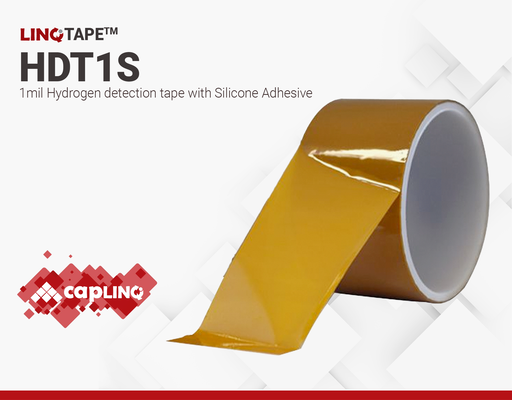
Main features
- 1 and 2 inch Options
- Visual H2 leak detection
- Fast and reliable for H2 storage and transportation
Product Description
LINQTAPE HDT1S is an advanced solution for the visual detection of hydrogen gas leaks. This tape undergoes a rapid color change – transitioning from amber to black in as little as 10 seconds when exposed to hydrogen gas. The speed of this color transformation is contingent on factors like flow rate, temperature, time, and hydrogen percentage.
LINQTAPE HDT1S provides an effective means of detecting gas leaks, significantly improving response time by facilitating the identification of intermittent leaks. Its high sensitivity allows it to detect hydrogen leaks with concentrations as low as 1% H2, making it a reliable safety net in various applications. Once exposed to hydrogen gas, LINQTAPE HDT1S maintains its altered color permanently, ensuring a lasting indication of exposure. Applying this tape is a seamless process, akin to typical silicone/polyimide PSA (Pressure Sensitive Adhesive), making it user-friendly.
LINQTAPE HDT1S can be used in a variety of indoor or outdoor environments. It outperforms conventional portable or stationary sensors, offering superior detection and precise identification of hydrogen leak locations. This tape is less influenced by external factors such as wind, position, duration, or user skills. It provides comprehensive visibility, allowing for easy inspection of vertical and bottom faces.
Key Features:
- Reliable hydrogen gas detection
- Can detect concentrations as low as 1%
- Color changing for ease of use
- Countless applications
HDT1S
Unlike other products we offer, the products listed on this page cannot currently be ordered directly from the website.
 Shipping in 8 weeks
 Shipping in 8 weeks
 Shipping in 8 weeks
Packaging
TDS, SDS & Technical Documents
- LINQTAPE HDT1S - Technical data sheet
Technical Specifications
General Properties
Thermal Properties
Other Properties
Mechanical Properties
Additional Information
Applications:
-
Power and chemical plants.
-
Transportation markets.
-
Hydrogen Co-Generators.
-
Fuel stations.
-
Storage tanks and compressors.
-
New energy markets and more.
Application Ideas:
-
Easily applied to or wrapped around pipes, flanges, fittings, valves, access panels, etc., providing immediate identification of precise hydrogen leak locations.
-
Permanent Color Indication: Identifies leak locations even if the hydrogen line is shut off.
What happens if these tapes are exposed to higher temperatures?
LINQTAPE HDT1S is a Polyimide tape with a Silicone adhesive that is reactive to Hydrogen. When it comes to materials, this is very similar to our PIT1S so the operating temperature is 260°C. The problem lies with the reactive nature of the tape. The higher the temperature, the lower the time it takes to detect H2. Since some Hydrogen applications are in the negative °C, we know that it will take much, much longer for the tape to react at cryo temperatures.
On the upper limit, we have tested it for 6 months at 60°C and it works fine. We don't know how the tape would react in higher temperatures though. Technically, the materials should be OK but the high temp will probably affect the reactivity and cause all kinds of issues. The entire idea with H2 detection tapes is really to prevent things such as jet fire from happening by regular monitoring. In theory, we expect the tape to react since H2 will be present and the temperature caused by the jet fire will accelerate the reaction. In practice, we don't know.
it is important to note that the tape WILL react even with a very low % of H2 in the air (even 1% will suffice). It will just take much longer (hours) than if there were higher concentrations where you would expect a color change within a couple of minutes.
Recently viewed products
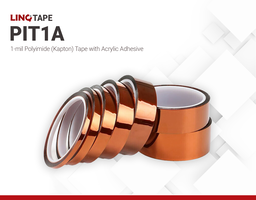
PIT1A | 1-mil Polyimide (Kapton) Tape with Acrylic Adhesive
- 1 mil polyimide film
- Acrylic adhesive
- 6,500V breakdown voltage
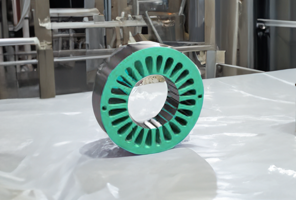
MCP-5260 | Motor Coating Powder
- Light Green Color
- Good Edge Coverage
- Insulation Class F
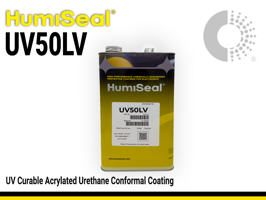
Humiseal UV50LV | Low-Viscosity UV Curable Conformal Coating
- Fast UV cure
- Fluoresces under UV light
- UL Recognized (File Number E105698)
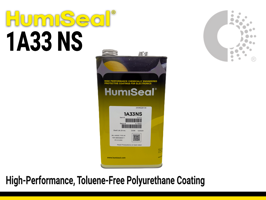
HumiSeal 1A33NS Urethane Conformal Coating
- Fluoresces under UV light for inspection
- Low moisture vapor permeability
- Fast drying to handle (15 minutes)

HumiSeal 1B31S Acrylic Conformal Coating
- MIL‑I‑46058C qualified
- IPC‑CC‑830 compliant
- RoHS compliant (Directive 2002/95/EC)
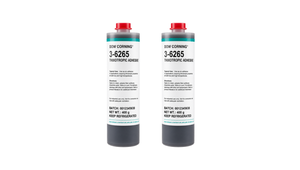
DOWSIL™ 3-6265 HP Adhesive
- One-part
- Versatile heat cure
- Non-flowing rheology


