
LOCTITE ABLESTIK ABP2034
Harmonization Code : 3506.91.90.99 | Prepared glues and other prepared adhesives, not elsewhere specified or included; products suitable for use as glues or adhesives, put up for retail sale as glues or adhesives, not exceeding a net weight of 1 kg ; Adhesives based on polymers of headings 3901 to 3913 or on rubber; Other ; Other

Main features
- Ultra low modulus
- High adhesion
- Low temperature cure
Product Description
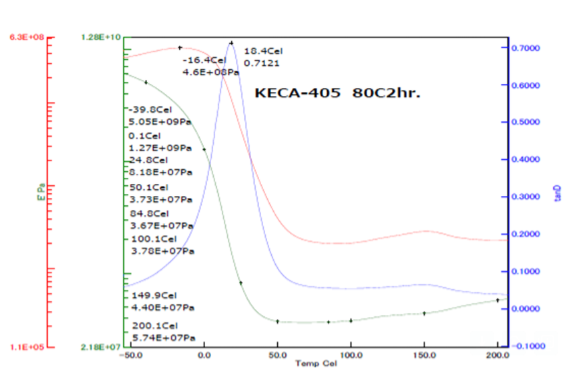
LOCTITE ABLESTIK ABP 2034 low temperature cure, electrically conductive adhesive is designed for use in applications requiring low modulus and high adhesion strength. This can be a good alternative to ICP4000 for hermetic sealing if you prefer to avoid silicon contamination.
LOCTITE ABLESTIK ABP 2034 (Ag filled BMI hybrid) is developed for conductive bonding in high-volume consumer devices. Both show excellent adhesion in interfaces such as SUS and Nickel in heat sensitive applications such as bracket grounding and VCM assembly for Camera modules. It can be used for batteries that require curing temperatures below 80° or even 60°C.
Cure Schedule
- 120 minutes @ 80°C
ABP2034
Unlike other products we offer, the products listed on this page cannot currently be ordered directly from the website.
 Shipping in 12 weeks
 Shipping in 12 weeks
 Shipping in 60 days
Packaging
TDS, SDS & Technical Documents
- ABLESTIK ABP 2034-EN
- LOCTITE ABLESTIK ABP 2034 NL-MSDS_UT_NL
Technical Specifications
General Properties
Electrical Properties
Physical Properties
Additional Information
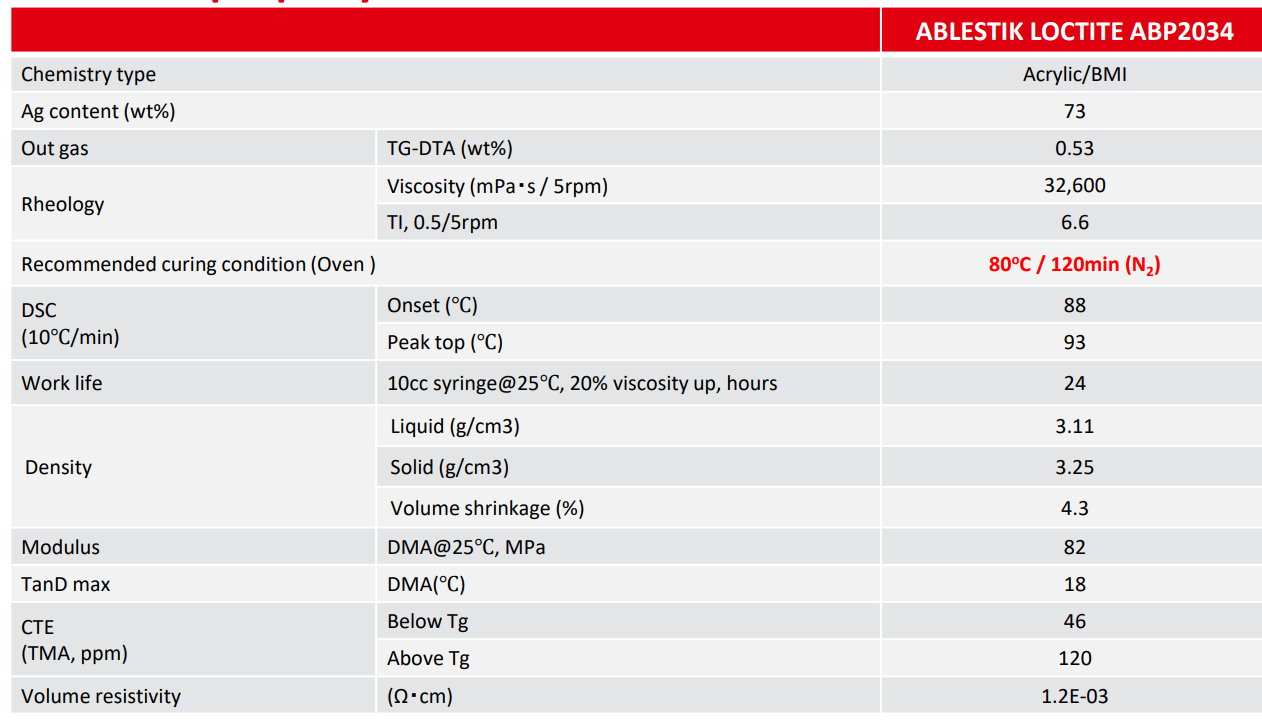
What are the outgassing expectations of ABP2034?
The expected weight loss for this material after 2hrs at 80°C is 1.4%. From experience with other silver filled adhesives we know that Total Mass Loss (TML) will be far below 1% AFTER cure. We do not have Collected Volatile Condensable Materials (CVCM) data, but do expect this to be below 0.1% based on comparable materials. We recommend you measure the outgassing of cured ABP 2034 YOURSELVES if this is critical for your application. If needed, applying a longer post bake after cure can be considered to further reduce the outgassing after cure.
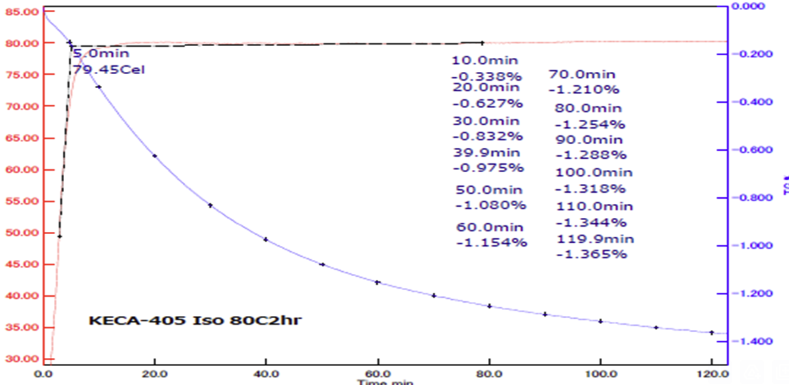
Can ABP2034 be used for cryogenic applications?
ABP 2034 has proved to be best performing down to -269°C (dipping in Helium) on larger parts. Of course, this will depend on the metal type and substrate finish of the sensors. This very low modulus and low temp (80°C) curable ECA is typically tested for small sensors, so you must check if the adhesion is strong enough at wire bonding temperatures.
An alternative could be ICP 2120 which has a higher modulus for wire bonding, but where we don't have enough data for cryogenic temperatures.
Recently viewed products
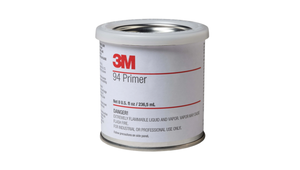
3M™ Tape Primer 94
- Enhances adhesion of 3M tapes
- Ideal for low surface energy materials
- Improves bond strength, consistency, and long-term durability
LOCTITE ABLESTIK ICP 4015
- One component
- High flexibility
- Low temperature cure

OPTOLINQ TMC-3282 | Transparent Mold Compound
- Exceptional moldability with long spiral flow
- Excellent performance at high temperature and high humidity conditions
- Excellent adhesion and low stress

ABchimie 9111 UV Glue
- One-component
- Fast UV Curing
- Adhesion to many substrates

3M™ Adhesion Promoter 111
- Higher bond strength.
- Isopropyl alcohol based solvent system
- Non-offensive odor
3M™ Scotchcast™ 260 Epoxy Powder Resin
- Fast curing
- Excellent electrical properties
- Excellent flow • UL 1446 Electrical Insulation System (EIS) approval at class 120(E), 130(B), 155(F), and 180(H)
Humiseal 1B73 | Acrylic conformal coating
- Acrylic Conformal Coating
- Transparent (UV Fluorescent)
- Dielectric Strength - 6300 V


