
Hysol GR15F-MOD2C | Black Epoxy Mold Compound
Harmonization Code : 3907.30.00.85 | Polyacetals, other polyethers and epoxide resins, in primary forms; polycarbonates, alkyd resins, polyallyl esters and other polyesters, in primary forms : Epoxide resins : Other

Main features
- Very High Glass Transition Temperature: 236°C
- Longer spiral flow than MOD2
- Designed for high voltage, high power discrete packages
Product Description
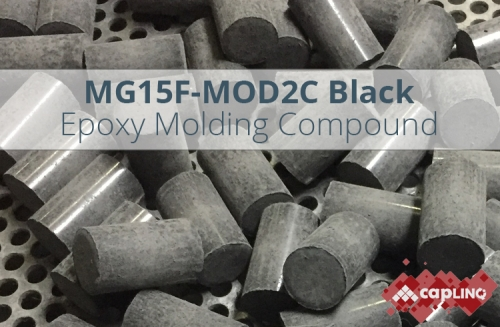
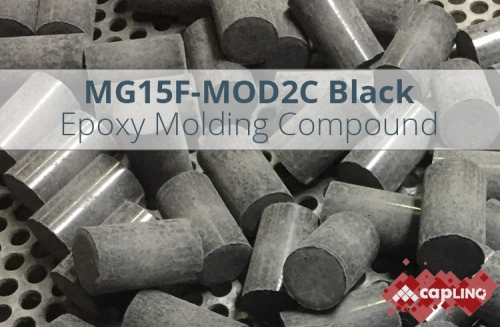
Hysol GR15F-MOD2C is a black, epoxy-based molding compound designed for high voltage, high temperature semiconductor applications. It has a very high Glass Transition Temperature (Tg) of 236°C and is in use in 2nd generation silicon carbide (SiC) MOSFET of world’s leading manufacturer of Silicon Carbide based diodes for power control and management. This C product is a longer spiral flow version of the MOD2.
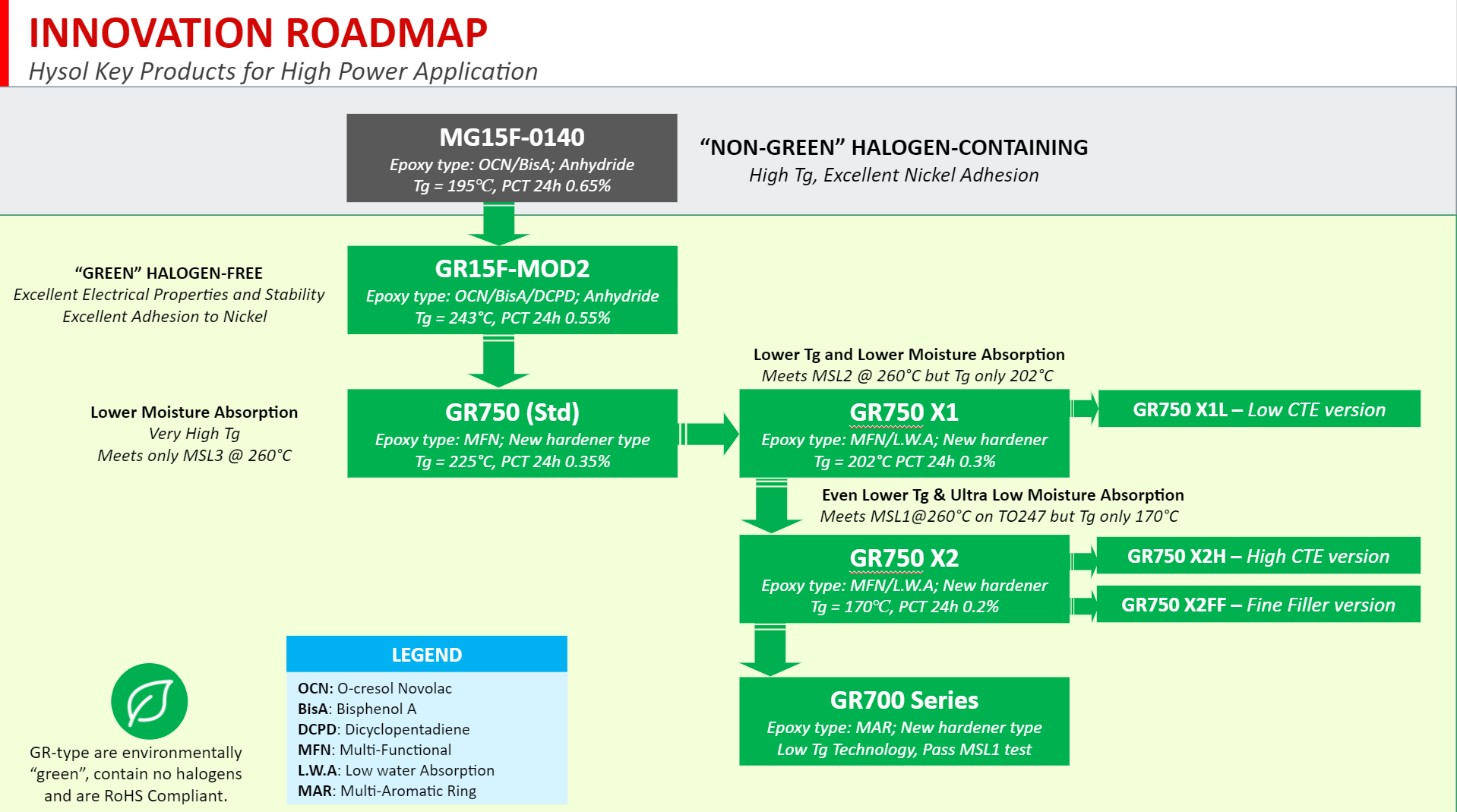
Hysol GR15F-MOD2C is the world's first high Tg, "Green" Anhydride. Anhydride-based epoxy has traditionally had a low Tg and contained halogens, making it not environmentally "Green". On the other hand, anhydride chemistries have very good HTRB test results because there is very little ion movement at higher temperatures, the traditional cause of HTRB failures. Hysol's new MG15F-MOD2C is a breakthrough product that offers an incredibly high Tg, and is an environmentally "green" product without any halogens (Bromine, Chlorine) or antimony (Sb).
Hysol GR15F-MOD2C is well suited for SiC devices. Older generation silicon Si MOSFETS operated at (only) 600V. New Silicon Carbide devices operate at 1200V. These new 1200V MOSFETS deliver power density and switching efficiency at half the cost per amp of our previous generation MOSFETs. CREE claims that with this new MOSFET platform, that they already have design wins in multiple segments like solar inverters and uninterruptible power supply (UPS) systems. They continue to say that due to rapid acceptance of this 2nd generation of SiC MOSFETs, CREE is shipping pre-production volumes ahead of schedule and ramping volume production in-line with customer demand.
Hysol GR15F-MOD2C has excellent high temperature reliability bias (HTRB) test results. MG15F-MOD2C Outperforms competition on HSOP “plastic RF module” by passing 1500 cycles -65/+200ºC. Furthermore, it is qualified on TO220 & TO247 packages with large silicon carbide die running up to 1200V at an operation temperature.To add to that, Hysol has more than 12 years experience molding HF RF amplifiers guaranteed for 200°C for continuous operation.
GR15F-MOD2C
Unlike other products we offer, the products listed on this page cannot currently be ordered directly from the website.
 Shipping in 12 weeks
 Shipping in 12 weeks
 Shipping in 12 weeks
Packaging
TDS, SDS & Technical Documents
- Epoxy molding compound handling guide
- SDS_MG 15F-MOD2C
- Hysol Huawei TDS_MG 15F-MOD2 C_1821351_July-2018
Technical Specifications
General Properties
Chemical Properties
Thermal Properties
Electrical Properties
Mechanical Properties
Physical Properties
Curing Conditions
Additional Information
Electrical Properties
| Test Mode | Alternating Current | Direct Current | |
| Voltage Ramp Speed (KV/sec) | 2 | 4 | |
| Dielectric Strength (KV/mm) |
MG 15F-MOD2 C | 13 | 41 |
Test utilized insulating oil as surrounding medium.
Epoxy molding compounds for Silicon Carbide (SiC) Shottky diodes.
Where do we go from here?
Do you have any molding compounds that can be used for Space applications and withstand temperatures above 200°C?
There is not much research going on regarding EMC specifically suitable for space applications.
Due to the restriction of the EMC chemistry system itself, they all start to show some extent of properties degradation from 200 ℃. Hysol has done research on innovative resin/hardener types and modifications, but the results are still confidential and could not be shared yet. For example, there is research in china and japan regarding the benzoxazine resin types in the academic institute, but again, not been commercialized yet. Here is a review paper for your reference. There are some other types of encapsulants such as silicone-based ones that could resist higher temperatures, but they are not suitable for the molding process but for potting.
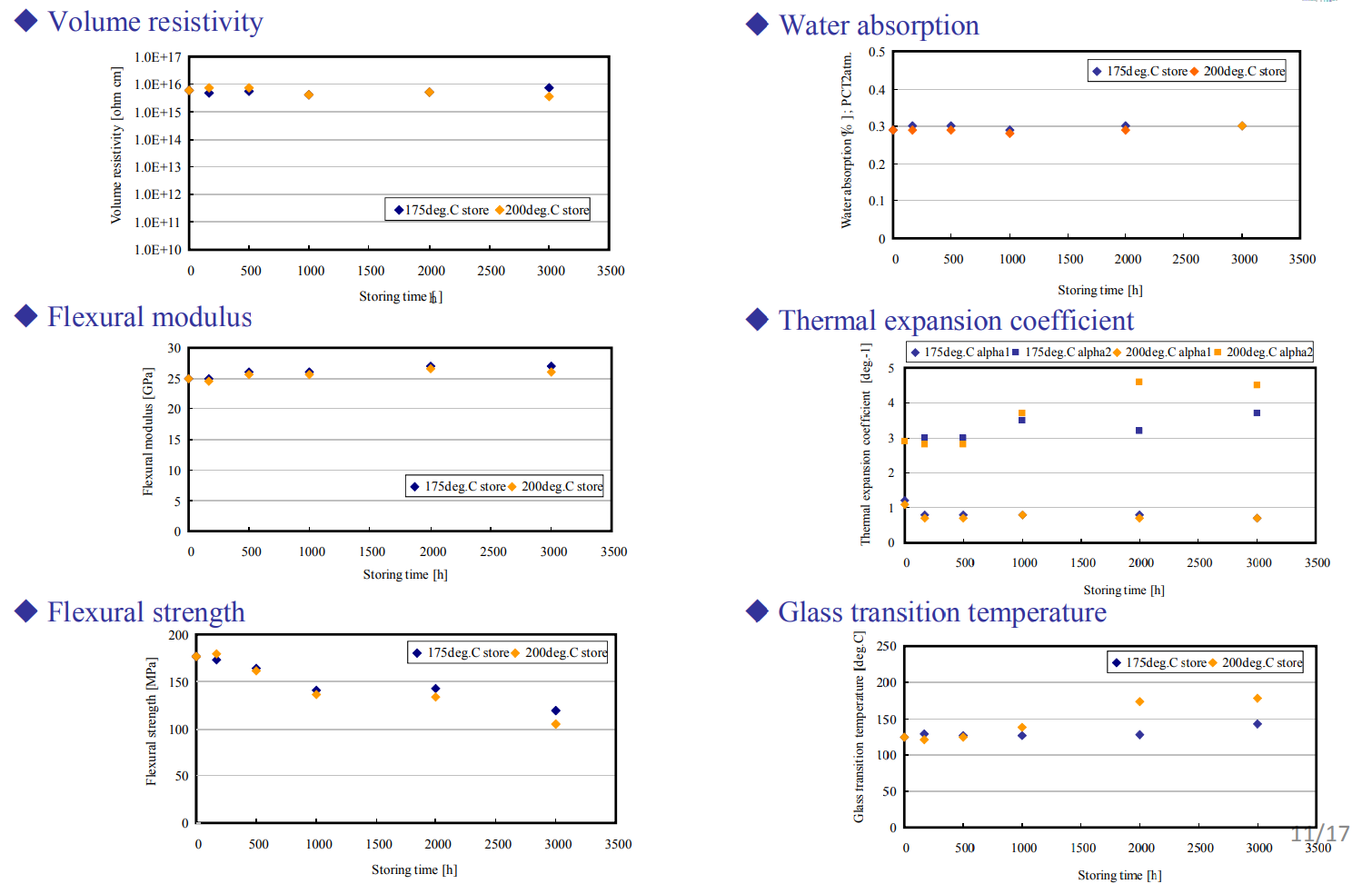
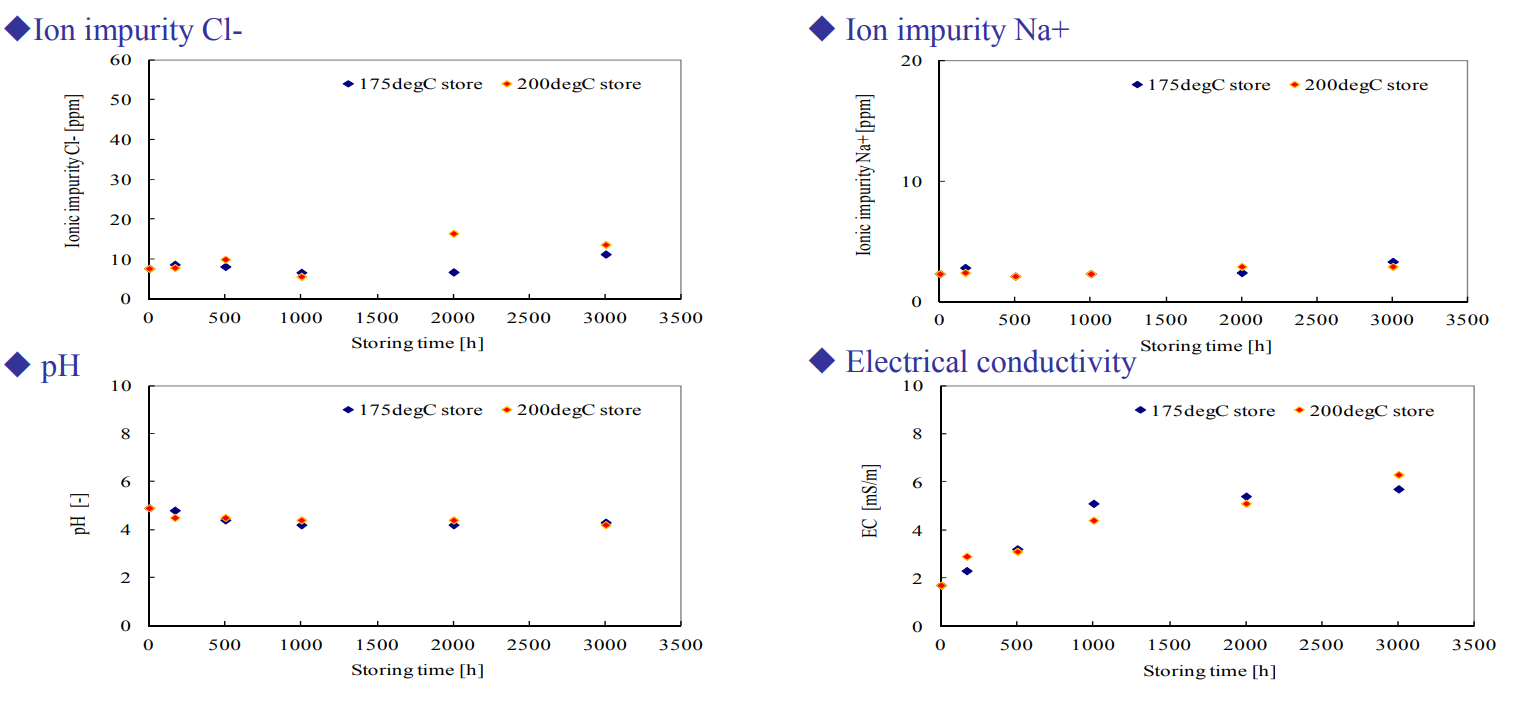
How do you measure temperature stability in EMCs? Is there an industry standard?
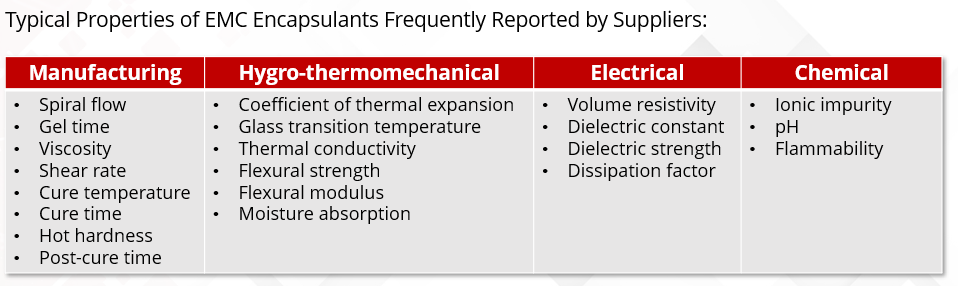
The ideal is to test the stability of each property for long hours on your operating temperatures. As you can see, there are several groups of properties to describe an EMC product. The degradation of hygro-thermomechanical, electrical, and chemical properties is what we look into while doing the high-temperature storage tests.
Hysol GR15F-MOD2C Black is sometimes spelled in slightly different ways including:
- Hysol MG 15F-MOD2 C
- Hysol MG15F-MOD2 C
- Hysol MG 15F-MOD2C
- Hysol GR15F-MOD2C
- Hysol GR 15F-MOD2C
Anhydride epoxies tend to stick quite a lot to the mold. It is common to use up to 10 shots of melamine to clean the molding compound residues. Visit our Cleaning and Conditioning category to find the ideal cleaning solution for your process.
Recently viewed products
LOCTITE ECCOBOND UV9052
- UV & Moisture Cure
- Cures in shadowed areas
- No stringing

Hysol GR640HV | Black Epoxy Mold Compound
- EMC for small outline packages including SOD, SOT and SMX
- JEDEC 1 260°C capable product
- Excellent electrical performance
LOCTITE ECCOBOND UF 8807
- Cyanate Ester
- Fast cure - Low temp
- Superior adhesion after moisture testing
LOCTITE ECCOBOND UF 3578
- Fast heat-cure adhesive designed for underfill and fixture applications
- Thixotropic and fluorescent for controlled flow and optical inspection
- Reflow-compatible for SMT processes
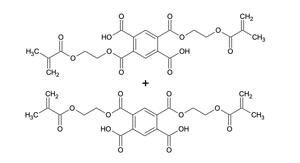
A478-M | PMDM-M adhesion promoter Additive
- Dental Applications
- Adhesion promoter
- Pyromellitic Dianhydride Dimethacrylate

Hysol GR750 X2 | Black Epoxy Mold Compound
- Low moisture absorption
- High Tg: 182°C
- For high temperature applications
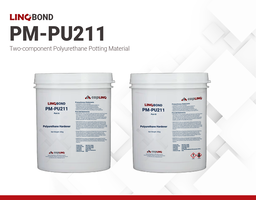
LINQBOND PM-PU211 | Polyurethane Potting material
- Electrically insulating
- Excellent adhesion to different substrates
- Void free casting

Hysol GR700-P2 | Black Epoxy Mold Compound
- MAR Chemistry
- Very low Tg: 115°C
- Excellent electrical performance

Hysol GR700 C3D | Black Epoxy Mold Compound
- Low stress
- For high power devices
- Good electrical performance


